
Introduction: Take a Deep Breath—It’s Time to Change
Contents
- 1 Introduction: Take a Deep Breath—It’s Time to Change
- 2 Why Lung Capacity Is the Key to Living Well
- 3 What Decreases Lung Capacity?
- 4 Proven Techniques to Gain Lung Capacity
- 5 Powerful Breathing Exercises
- 6 How to Gain Lung Capacity with Diaphragmatic Breathing (Belly Breathing)
- 7 How to Gain Lung Capacity with Pursed-Lip Breathing
- 8 Rib Stretch to Improve Lung Capacity
- 9 Box Breathing to Boost Lung Capacity
- 10 Alternate Nostril Breathing for Gaining Lung Capacity
- 11 Controlled Coughing to Increase Lung Capacity
- 12 Exercise and How to Gain Lung Capacity Naturally
- 13 Best Aerobic Exercises:
- 14 HIIT and Cardio Workouts to Gain Lung Capacity
- 15 Strength Training for Better Lung Capacity
- 16 Daily Lung Health Habits to Gain Lung Capacity
- 17 1. Breathe Clean Air
- 18 2. Stay Hydrated
- 19 3. Eat for Lung Health
- 20 4. Stop Smoking or Vaping
- 21 5. Practice Good Posture
- 22 Special Techniques and Tools
- 23 Incentive Spirometry
- 24 Yoga For Lung Capacity
- 25 Testing and Tracking Progress
- 26 How to Track Lung Capacity at Home
- 27 Real-Life Success Story
- 28 Summary: Take Charge and Gain Lung Capacity Today
- 29 FAQ: How to Gain Lung Capacity
How to gain lung capacity is not just about breathing better — it’s about transforming how you live every single day. In fact, stronger lungs mean more energy, sharper focus, and greater endurance.
Imagine walking up stairs, catching the bus, or hiking a trail — all without gasping. Moreover, what if every breath felt full, powerful, and effortless? Therefore, learning how to gain lung capacity isn’t just for athletes; it’s for anyone who wants to feel healthier and more alive.
As a result, when you strengthen your lungs, you also boost your body’s ability to handle stress, recover faster, and live longer. So, take a deep breath — your journey starts now.
Why Lung Capacity Is the Key to Living Well
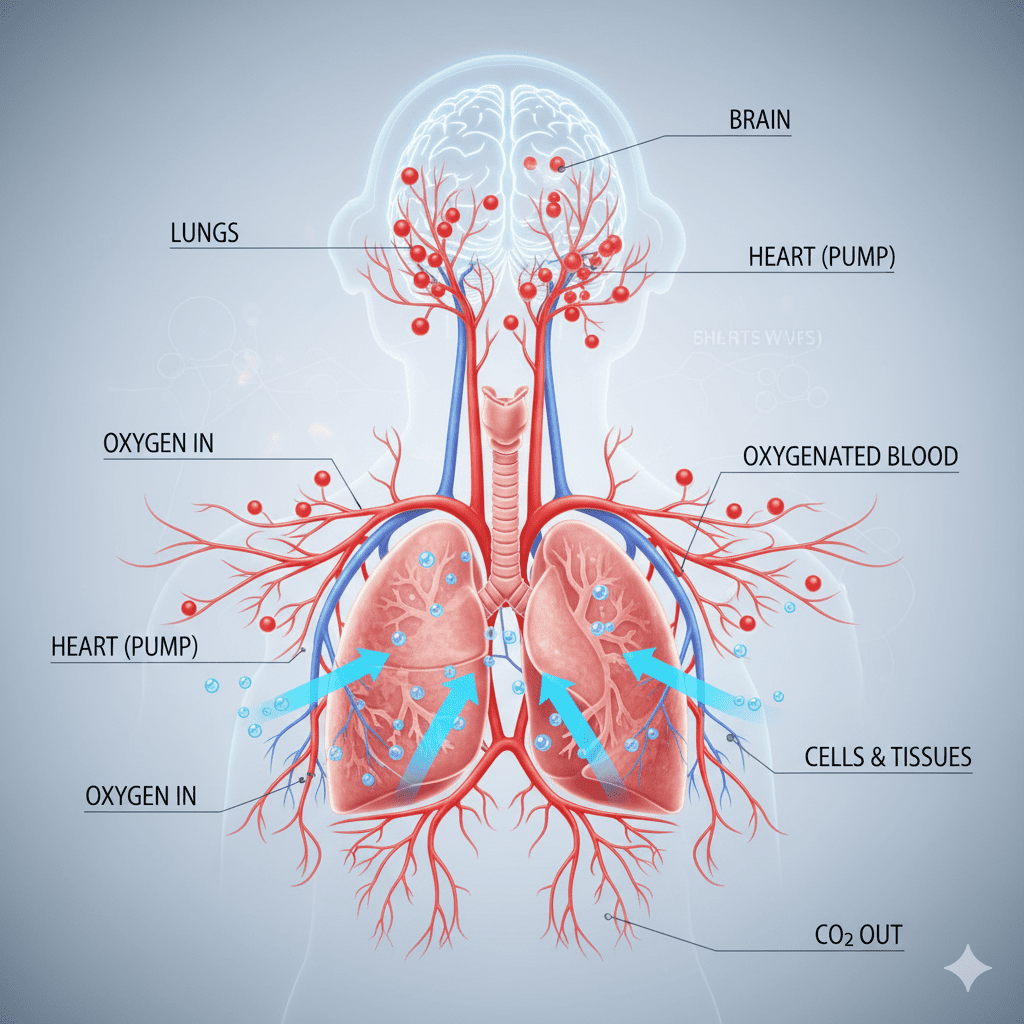
Lung capacity measures how much air your lungs can hold. It determines how much oxygen reaches your blood, brain, and muscles. When you improve it, you can think clearly, recover faster, and even protect against chronic conditions. Many experts agree that focusing on lung health is crucial for overall well-being and longevity.
What Decreases Lung Capacity?
- Aging (capacity naturally declines after age 35)
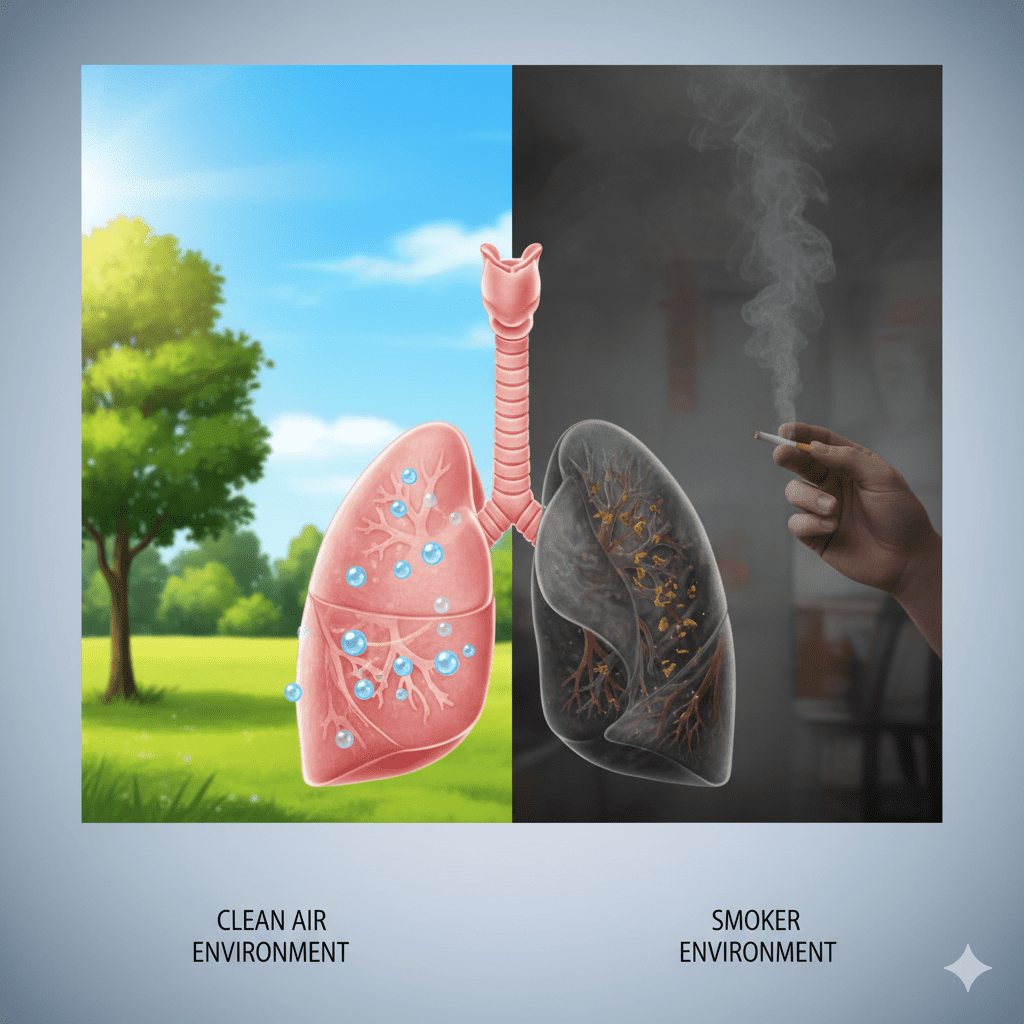
- Smoking and air pollution
- Sedentary lifestyle
- Chronic conditions (COPD, asthma)
However, the good news is that your lungs are highly adaptable. With effort and care, almost everyone can build stronger, healthier lungs. Furthermore, adopting daily habits and exercises can make a significant difference over time.
Proven Techniques to Gain Lung Capacity
Powerful Breathing Exercises
You don’t need a gym or fancy equipment to build stronger lungs — just your breath.
Every inhale is a small workout, and every exhale a release. When you train your breathing, you’re not only learning how to gain lung capacity — you’re teaching your body to stay calm, powerful, and alive under pressure.
Think of these exercises as your daily lung workout plan. They’ll open your chest, steady your heartbeat, and help you breathe deeper than you ever thought possible.
Let’s start with the most powerful techniques.
How to Gain Lung Capacity with Diaphragmatic Breathing (Belly Breathing)
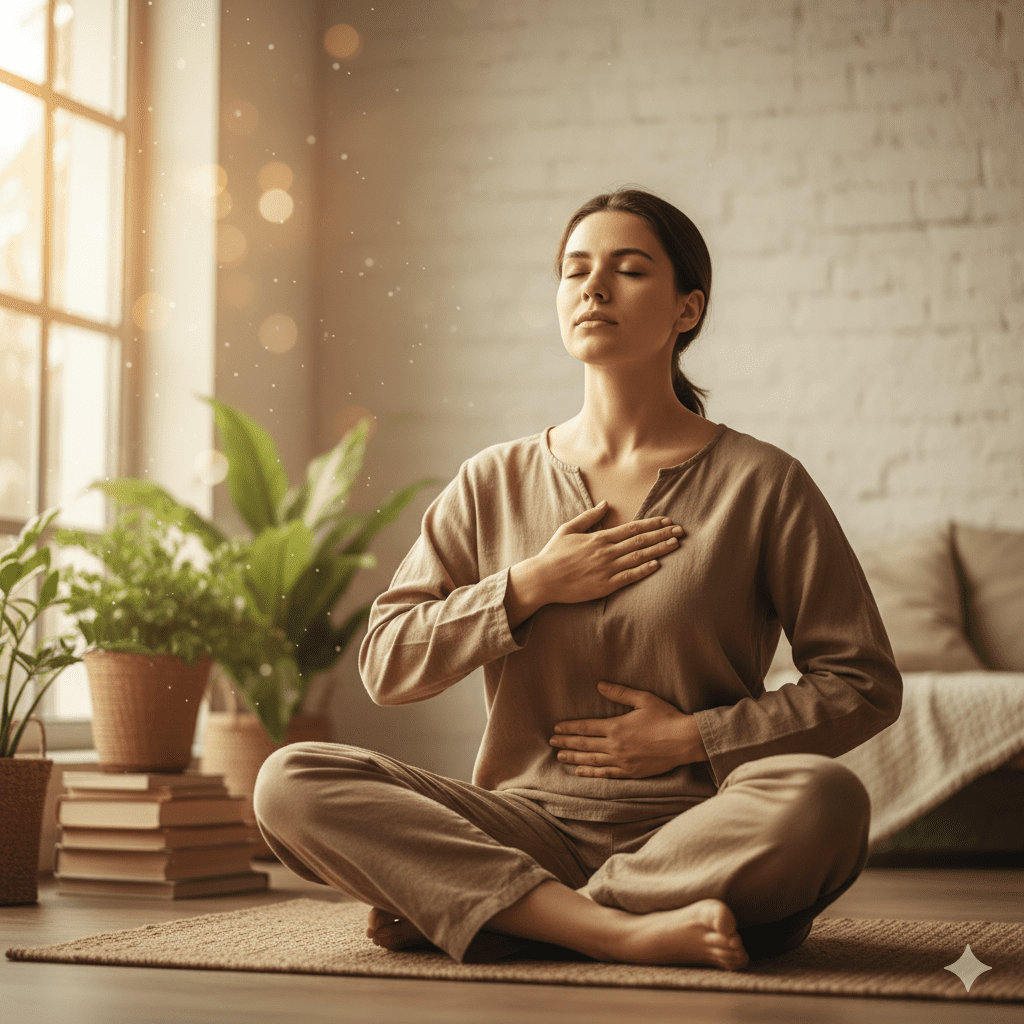
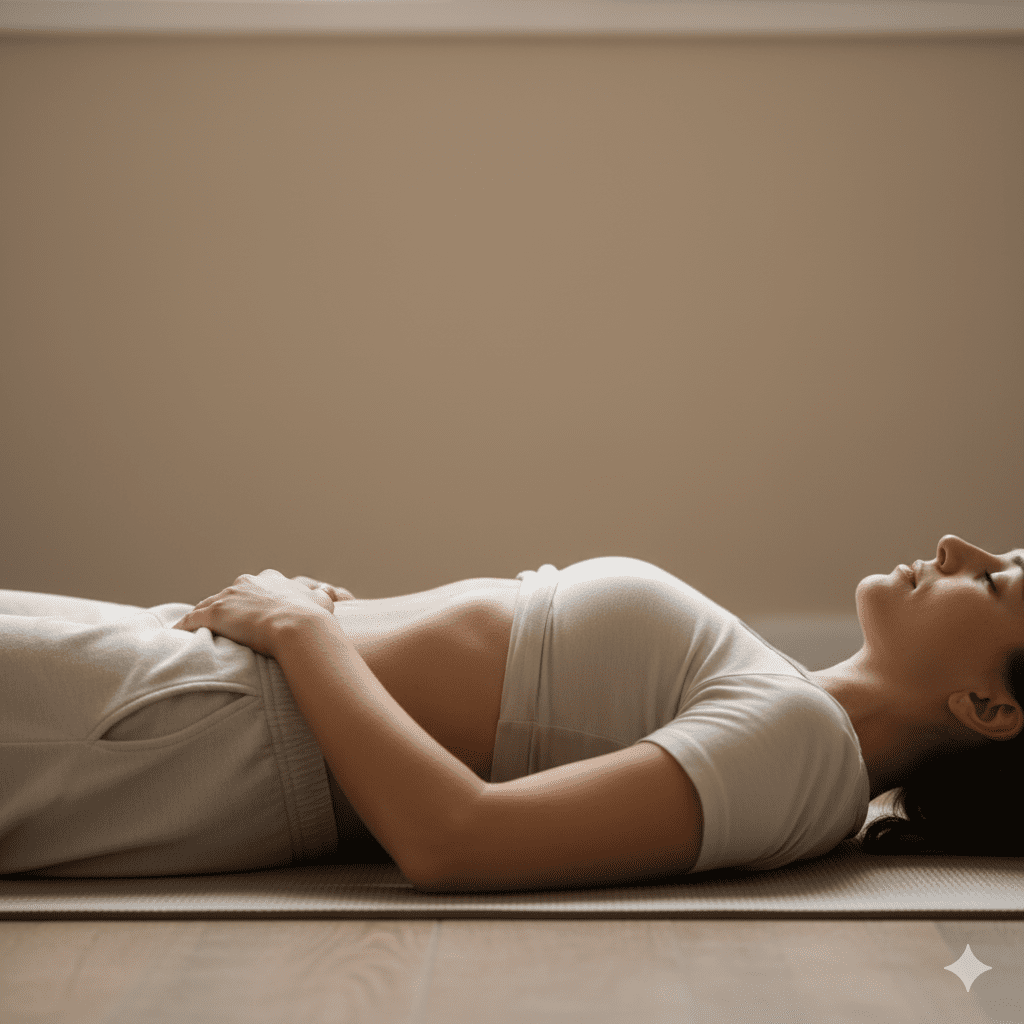
Diaphragmatic breathing engages your main breathing muscle — the diaphragm — more effectively than shallow chest breaths. Therefore, practicing it daily can significantly improve lung capacity.
Steps for Diaphragmatic Breathing:
- Sit or lie comfortably with shoulders relaxed.
- Put one hand on your belly, one on your chest.
- Inhale slowly through your nose, feeling your belly rise more than your chest.
- Exhale through pursed lips (as if whistling), gently pressing on your belly.
- Repeat for 5–10 minutes, twice daily.
Benefits:
- Stronger diaphragm
- Lower blood pressure
- More effective oxygen exchange
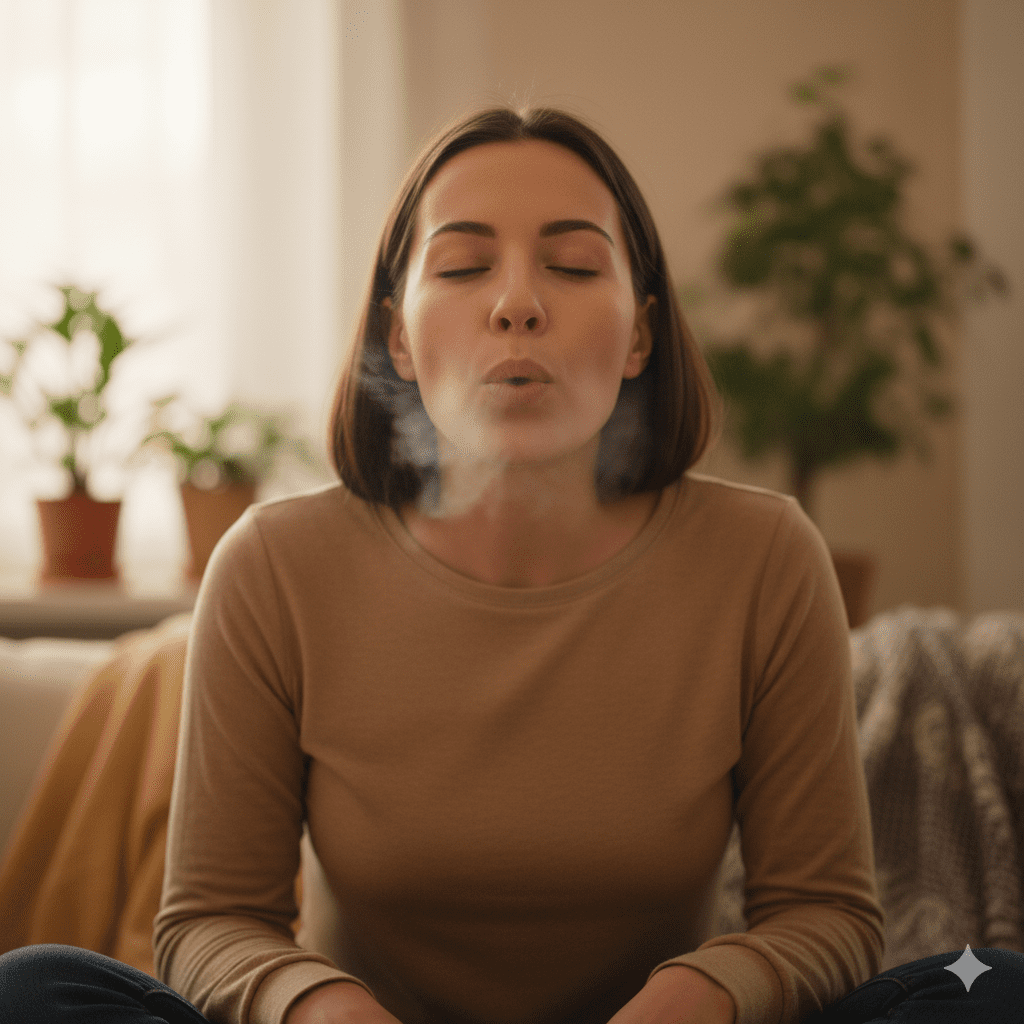
How to Gain Lung Capacity with Pursed-Lip Breathing
Pursed-lip breathing slows your breath and keeps your airways open longer. Moreover, it is especially helpful for those who become easily breathless.
Steps:
- Inhale deeply through your nose.
- Purse your lips (like you’re blowing out a candle).
- Exhale slowly and gently through pursed lips, taking twice as long.
- Practice during rest or mild activity.
This technique is especially good for anyone who gets breathless easily or has lung disease.
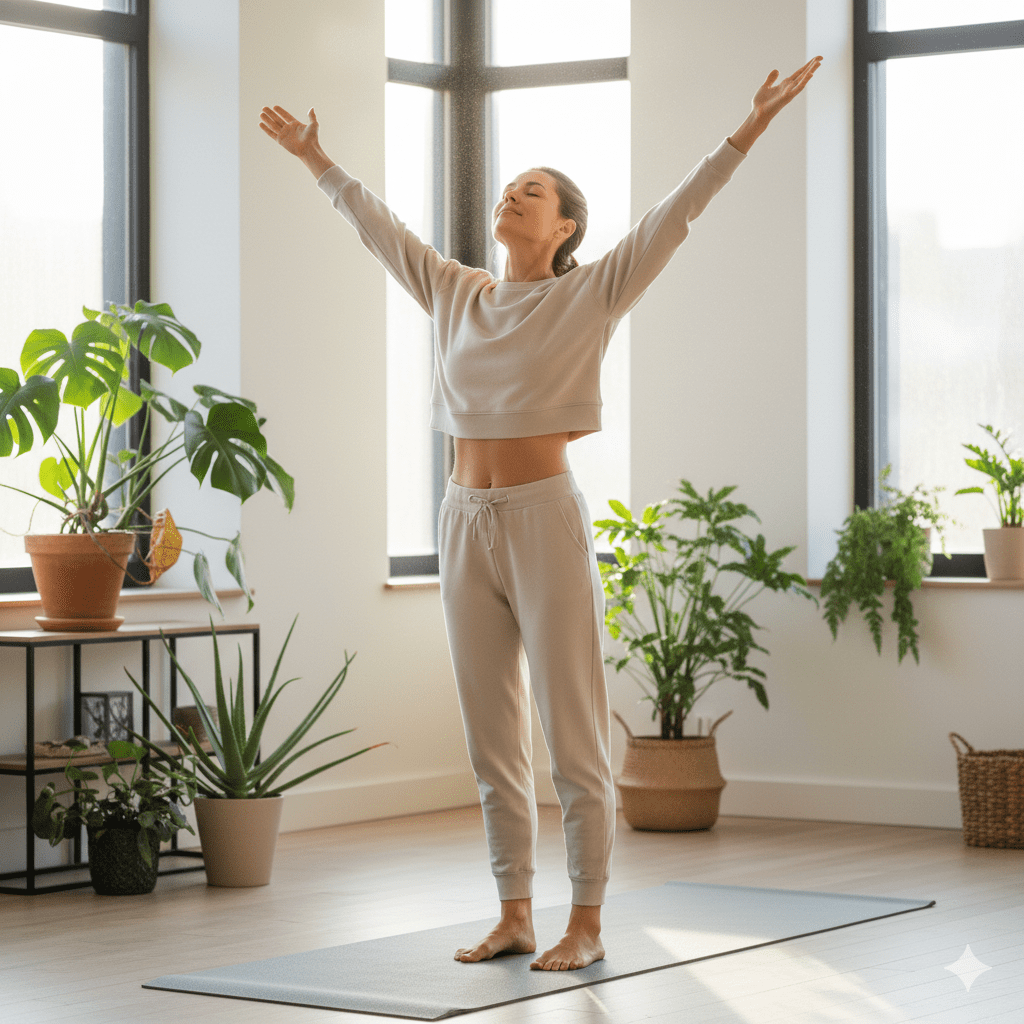
Rib Stretch to Improve Lung Capacity
Rib stretches increase lung volume by expanding your chest. In fact, they complement other breathing exercises for maximum efficiency.
How to Practice:
- Stand upright and exhale completely.
- Inhale slowly, expanding your chest.
- Hold breath for up to 20 seconds.
- Exhale and repeat 3–5 times.
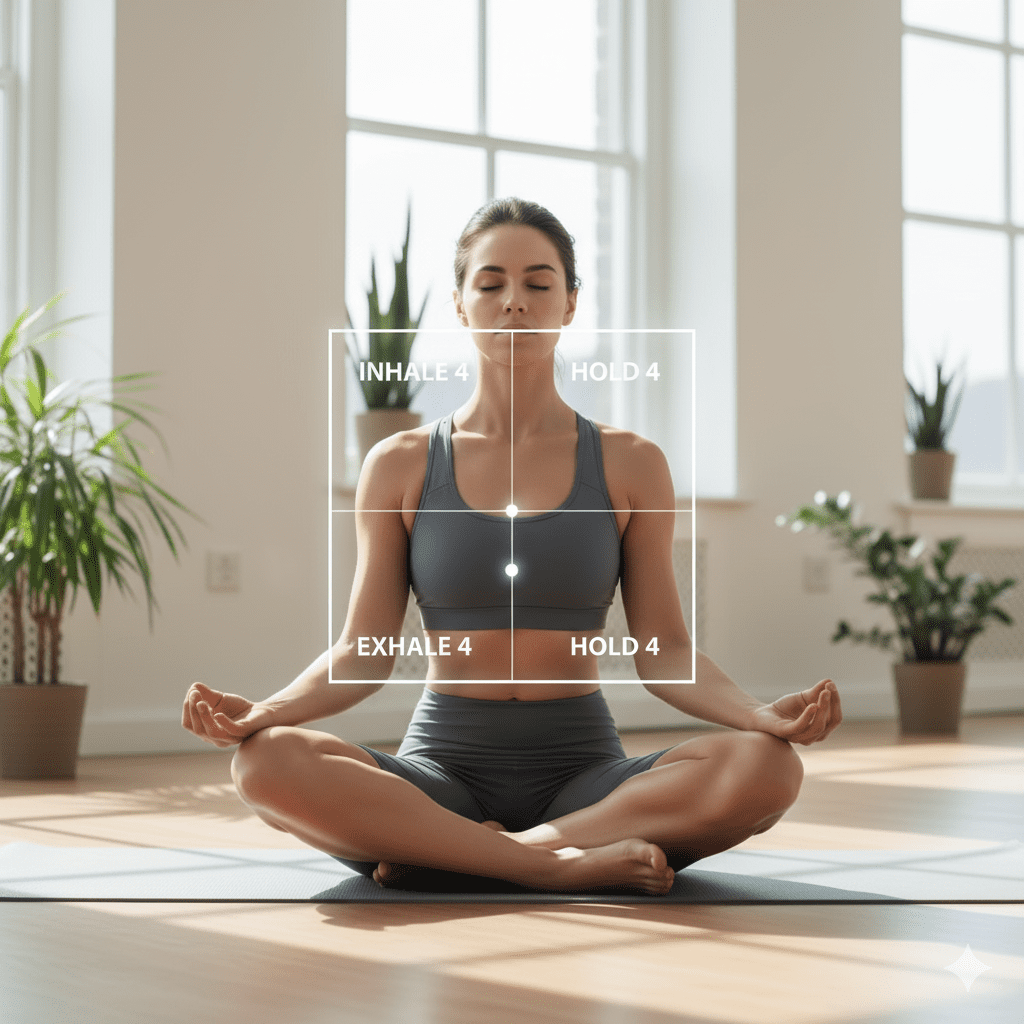
Box Breathing to Boost Lung Capacity
Box breathing, popular among athletes and Navy SEALs, improves lung stamina and breath control. Therefore, regular practice can increase lung capacity over time.
Steps:
- Inhale for 4 counts.
- Hold for 4 counts.
- Exhale for 4 counts.
- Hold again for 4 counts.
- Repeat for 2–5 minutes.
Alternate Nostril Breathing for Gaining Lung Capacity
This yoga-based technique clears lungs and calms the mind. Moreover, it promotes balanced oxygen flow and relaxation.
- Sit comfortably.
- Close your right nostril, inhale through left.
- Switch, exhale through right.
- Continue for 5 minutes.

Controlled Coughing to Increase Lung Capacity
Controlled coughing clears mucus and makes breathing easier. In fact, it is often recommended for people with mild respiratory issues.
- Sit upright, lean slightly forward.
- Take a deep breath.
- Cough two or three times as you exhale.

Exercise and How to Gain Lung Capacity Naturally
Aerobic activities strengthen heart and lungs simultaneously. Moreover, regular exercise improves oxygen delivery and efficiency.
Best Aerobic Exercises:
- Brisk walking
- Jogging
- Swimming
- Cycling

Aim for 150+ minutes per week. Furthermore, add variety — try hiking, dancing, or playing sports — to challenge your lungs in different ways.
HIIT and Cardio Workouts to Gain Lung Capacity
Want to supercharge your lungs? HIIT workouts push your breathing limits — fast.
Each sprint, jump, or burpee demands oxygen, and your lungs rise to the challenge. That’s how you gain lung capacity: by teaching your body to thrive under pressure.
Even better, short bursts of intensity followed by rest don’t just burn calories — they retrain your lungs to use oxygen smarter. Start with 20 seconds of effort, 40 seconds of recovery, and repeat. As you get stronger, so will every breath you take.
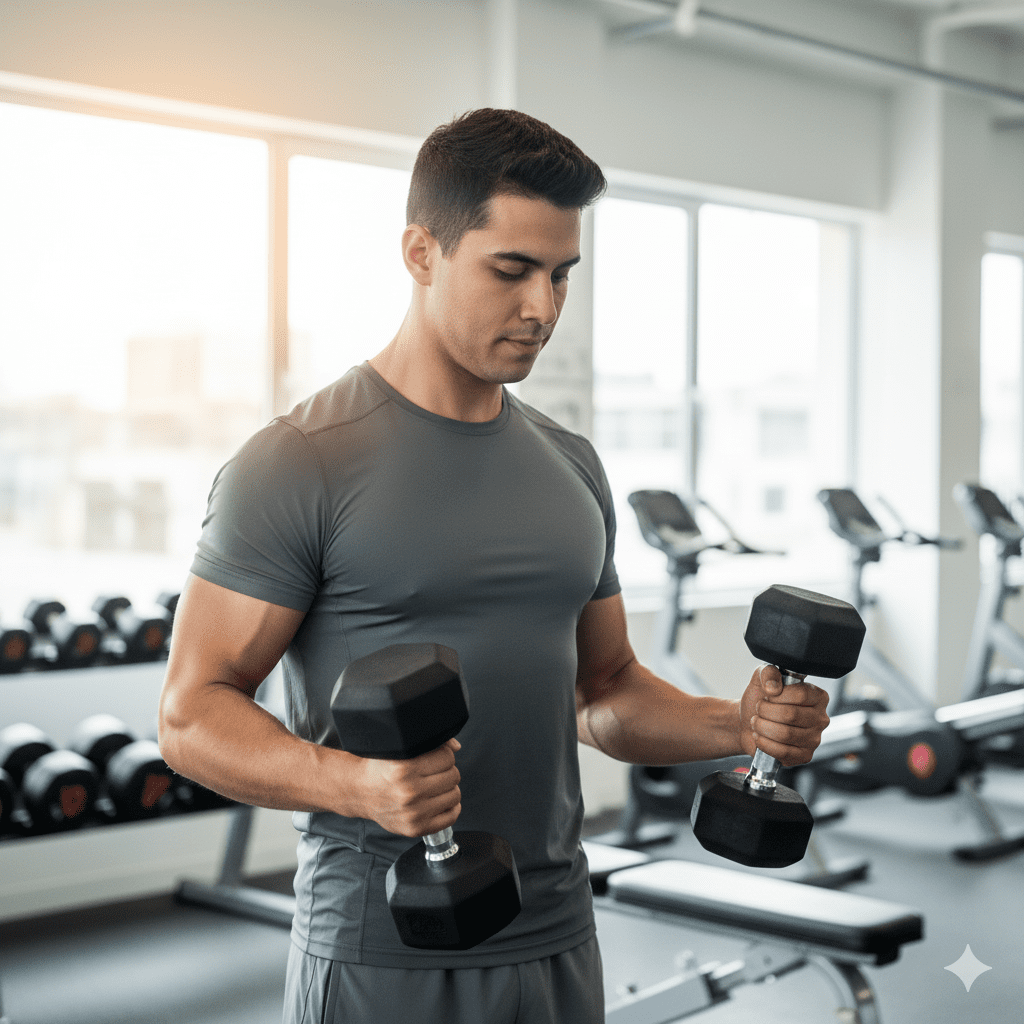
Strength Training for Better Lung Capacity
Working your chest, back, and core muscles helps you breathe deeper and maintain good posture, which is vital for lung function.
Activities:
- Resistance bands
- Weights
- Pilates or yoga for posture
Daily Lung Health Habits to Gain Lung Capacity
You don’t need a mountain hike to train your lungs — you just need consistency.
Every small habit adds up. Skip that cigarette, sit up straight, and drink a little more water than you did yesterday. That’s how to gain lung capacity in real life — one mindful breath at a time.
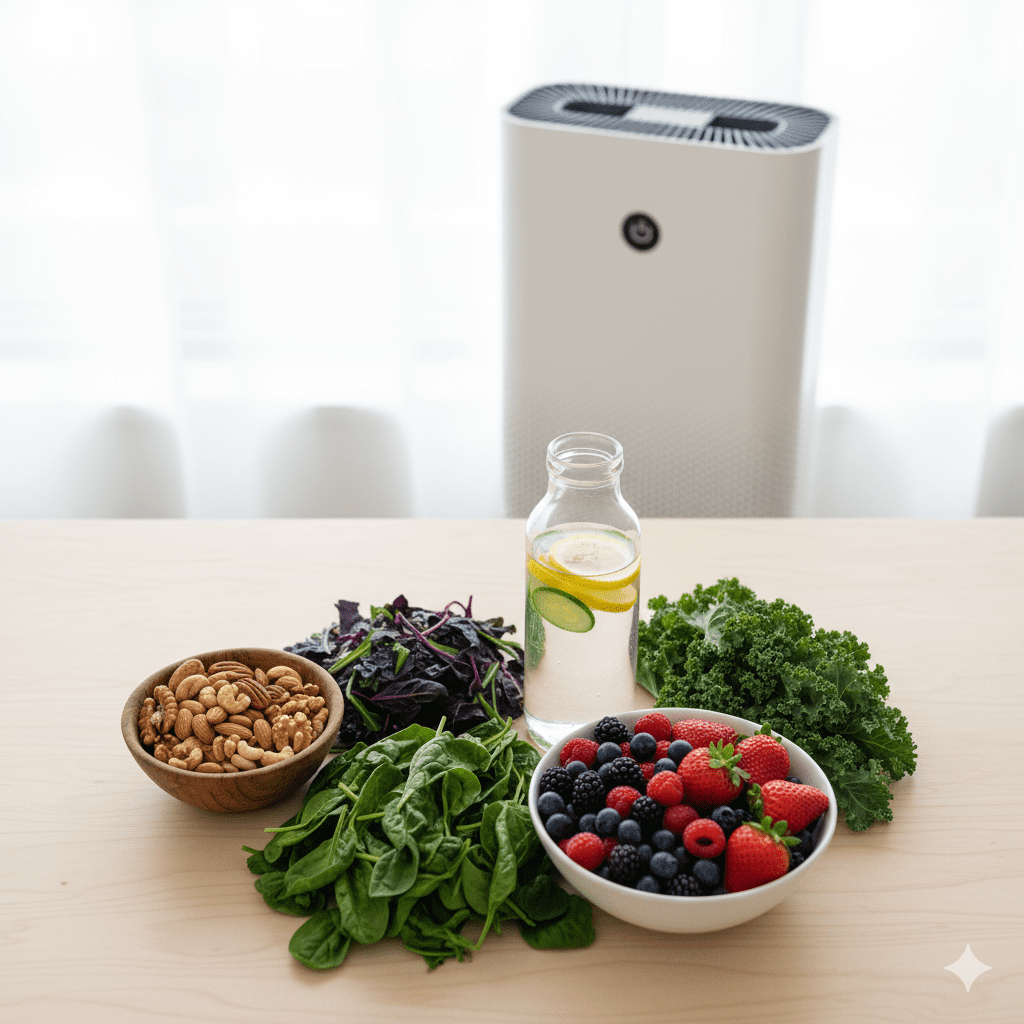
And don’t forget nature’s role. Step outside. Fresh air expands your lungs and clears your mind. Fill your meals with antioxidants — think berries, spinach, and green tea — and your lungs will thank you every single day.
1. Breathe Clean Air
Use air filters indoors and avoid polluted places whenever possible.
2. Stay Hydrated
Drinking enough water thins mucus in your lungs, helping you clear it easier.
3. Eat for Lung Health
Foods high in antioxidants (like berries, leafy greens, and nuts) protect your lungs from damage and support tissue repair.
4. Stop Smoking or Vaping
Quitting smoking or vaping is the number one way to protect your lungs from damage and improve lung function.
5. Practice Good Posture
Sitting and standing straight with your shoulders back allows for complete rib and lung expansion.
Special Techniques and Tools
Incentive Spirometry
An incentive spirometer is a tool used in hospitals or at home to measure how deeply you inhale and help train your lungs. It provides instant feedback, making exercise more fun and effective.

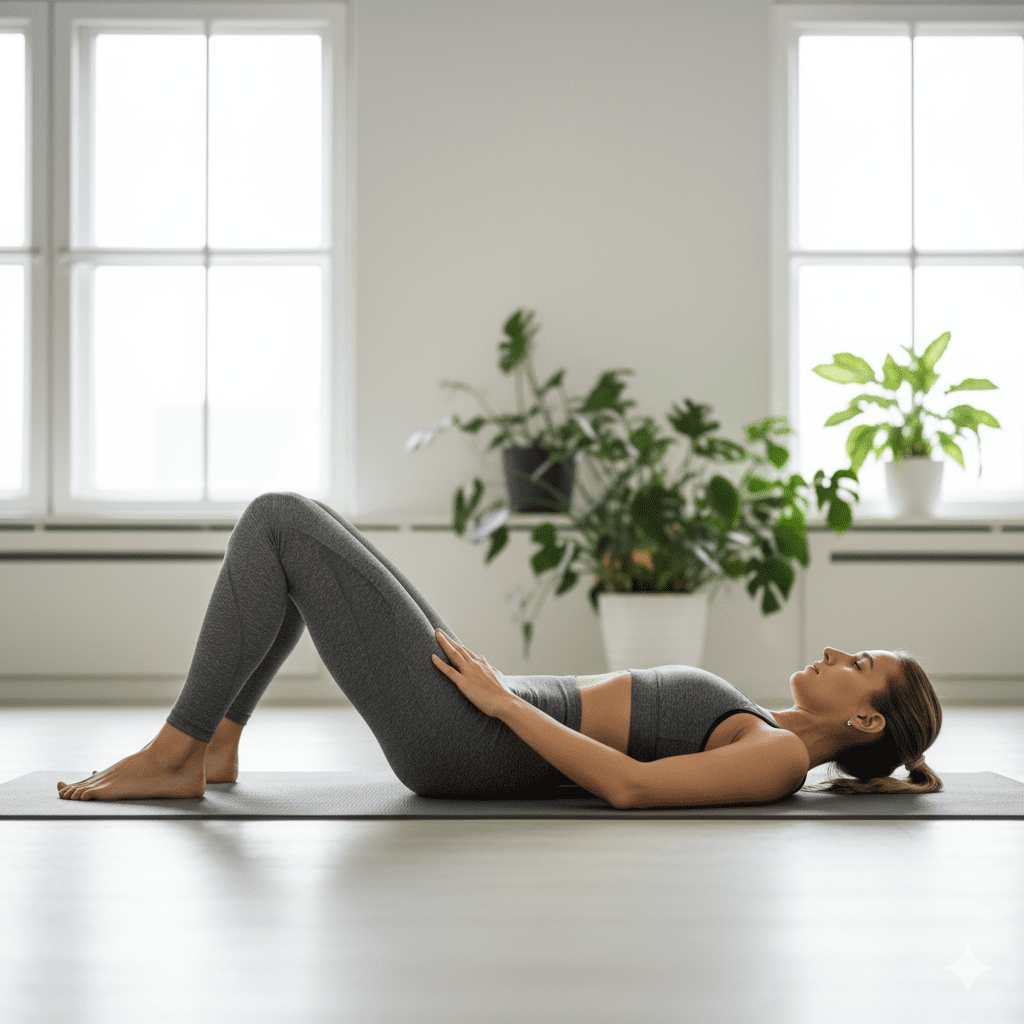
Yoga For Lung Capacity
Pranayama (yogic breath control) and chest-opening poses like Bridge, Camel, or Fish pose help stretch and train your lungs, supporting daily breathing strength.
Testing and Tracking Progress
How to Track Lung Capacity at Home
- Time how long you can hold your breath, and note improvements week by week.
- Use an incentive spirometer if available.
- Count steps/strides between breaths during exercise; try increasing the count over time.
Real-Life Success Story
Paul, who struggled for years with lung problems, used daily breathing exercises and aerobic activity to steadily regain his strength and quality of life. His story shows that with patience and consistency, anyone can see improvement.
Summary: Take Charge and Gain Lung Capacity Today
You take around 20,000 breaths every single day — but how many of them truly fill your lungs?
That’s where your journey starts. Learning how to gain lung capacity isn’t about perfection — it’s about showing up for your next breath, and the one after that.
Every time you breathe deeper, stretch your chest, or push through one more workout, you’re teaching your lungs to live stronger.
Don’t wait for “someday.” Start now — take one powerful breath and own it.
Because better lungs don’t just mean better breathing — they mean a stronger, calmer, more alive you.
FAQ: How to Gain Lung Capacity
Q1. What is the fastest way to gain lung capacity?
A. The fastest way is to practice deep and diaphragmatic breathing daily plus regular aerobic exercise like brisk walking or swimming.
Q2. Does age affect lung capacity?
A. Yes, lung capacity starts to decline naturally after age 35, but maintaining activity and practicing breathing exercises slows the process.
Q3. Can breathing exercises help with asthma?
A. Controlled breathing and specific techniques (like Buteyko or Papworth methods) can ease asthma symptoms and improve lung strength, but check with your doctor.
Q4. Is altitude training good for lung capacity?
A. Training at higher altitudes, where oxygen is less, can challenge your lungs and increase capacity when you return to lower levels.
Q5. Are there foods that help lung capacity?
A. Yes, foods rich in antioxidants, omega-3, and vitamins (such as leafy greens, fruits, and nuts) help protect and repair lung tissue.
Q6. Can people with COPD increase lung capacity?
A. With proper technique, breathing exercises, and safe aerobic activity under medical guidance, even those with COPD can make real improvements.
Take a breath. Commit. Your best, deepest breaths are just ahead!