You start a diet full of motivation—but then, weeks later, frustration sets in.
If this sounds familiar, you are certainly not alone.
In fact, nutrition research and real-world weight management experience consistently show that successful weight loss is not about starvation or extreme rules. Instead, and more importantly, it is about choosing a diet that fits your body, lifestyle, and long-term habits.
With this in mind, and based on evidence-based nutrition principles, clinical guidelines, and widely used dietary patterns, the following seven diets are considered safe, practical, and effective for sustainable weight loss.
Why Choosing the Right Diet Matters
Contents
- 1 Why Choosing the Right Diet Matters
- 2 1. Calorie Deficit Diet
- 3 2. Mediterranean Diet
- 4 3. Low-Carb Diet
- 5 4. Intermittent Fasting
- 6 5. High-Protein Diet
- 7 6. Plant-Based Diet
- 8 7. DASH Diet
- 9 How a Healthy Diet Affects Your Mind
- 10 How to Choose the Best Diet for You
- 11 Conclusion: Your Diet, Your Journey
- 12 FAQs About Weight Loss Diets
- 13 Medical Disclaimer
A well-designed weight loss diet does more than reduce the number on the scale.
Beyond that, research in nutrition science shows that sustainable diets can:
- Improve energy levels
- Support mental well-being
- Reduce the risk of chronic diseases
- Help maintain long-term weight loss
For this reason, healthcare professionals consistently emphasize that consistency and adherence matter far more than following the “perfect” diet.
(LSI keywords used naturally: weight loss plan, healthy eating, calorie control)
1. Calorie Deficit Diet
Best for beginners and long-term success
This approach focuses on consuming fewer calories than your body burns—while still allowing flexibility and balance.
Why it works
- First, weight loss occurs when energy intake is lower than energy expenditure
- Additionally, it remains flexible and adaptable to any cuisine
- Most importantly, it encourages portion awareness rather than strict restriction
Real-world insight:
In clinical weight management programs, a 300–500 calorie daily deficit is commonly recommended. As a result, this approach supports steady fat loss while minimizing fatigue and nutritional deficiencies.
2. Mediterranean Diet
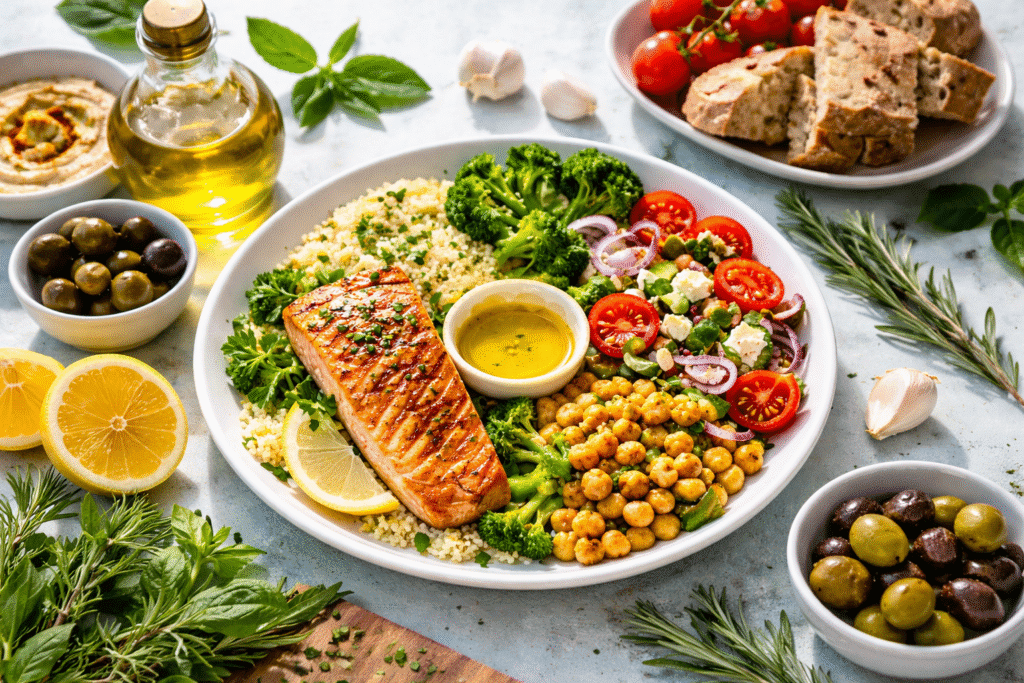
Best for heart health and overall wellness
Inspired by traditional eating patterns of Mediterranean regions, this diet emphasizes whole, minimally processed foods.
Core foods include
- Fruits and vegetables
- Olive oil
- Fish, nuts, and legumes
- Whole grains
What research shows:
Multiple long-term studies associate the Mediterranean diet with reduced belly fat and improved cholesterol levels. Consequently, it continues to be one of the most widely doctor-recommended diets worldwide.
3. Low-Carb Diet
Best for fast initial weight loss
Low-carb diets limit carbohydrate intake while prioritizing protein and healthy fats.
Potential benefits
- Reduced hunger and cravings
- Better control of insulin spikes
- Faster early weight loss
Important note:
Although effective in the short term, nutrition experts generally recommend using low-carb diets under guidance. In particular, individuals with medical conditions should personalize this approach.
4. Intermittent Fasting
Best for busy lifestyles
Rather than focusing strictly on food types, intermittent fasting emphasizes when you eat.
Common methods
- 16:8 (16 hours fasting, 8 hours eating)
- 14:10 (a gentler beginner option)
Why it works:
Studies suggest intermittent fasting can naturally reduce calorie intake. At the same time, it may improve insulin sensitivity when meals remain nutritionally balanced.
5. High-Protein Diet
Best for fat loss while preserving muscle
Protein plays a key role in weight loss by increasing fullness and protecting lean muscle mass.
Protein-rich foods include
- Eggs
- Chicken and fish
- Lentils and beans
- Greek yogurt
Scientific insight:
Because protein has a higher thermic effect than fats or carbohydrates, the body burns more calories digesting it. Therefore, protein intake supports fat loss during calorie restriction.
6. Plant-Based Diet
Best for mindful and clean eating
Plant-based diets emphasize vegetables, fruits, whole grains, legumes, and nuts while reducing animal products.
Research-supported benefits
- Higher fiber intake increases fullness
- Lower calorie density supports weight loss
- Improved gut health and digestion
Notably, you do not need to go fully vegan. In fact, many people see results simply by increasing plant foods and reducing processed meats.
7. DASH Diet
Best for blood pressure and steady weight loss
Originally developed for heart health, the DASH diet is frequently recommended by healthcare providers.
Focuses on
- Lower sodium intake
- Whole grains
- Lean proteins
- Fruits and vegetables
Clinical relevance:
Because of its balanced structure, DASH is considered one of the safest diets for long-term weight loss—especially for individuals with hypertension.
How a Healthy Diet Affects Your Mind
A healthy diet does not only change your body—it also improves your mind. What you eat directly affects how you feel, think, and handle stress.
Food and Brain Connection
Your brain needs proper nutrients to work well. When your diet lacks vitamins and minerals, your mood and focus suffer.
A healthy diet helps by:
- Improving concentration
- Reducing stress and anxiety
- Supporting better sleep
- Boosting memory and focus
Healthy Foods That Improve Mental Health
Certain foods are known to support brain health and emotional balance.
Include these in your diet:
- Leafy greens (spinach, kale)
- Fatty fish (omega-3 for brain health)
- Nuts and seeds
- Whole grains
- Fresh fruits
Expert insight:
Studies show that people following a Mediterranean-style diet report lower rates of depression and mental fatigue.
Unhealthy Diet and Mood Swings
Highly processed foods, excess sugar, and junk food can negatively affect mental health.
An unhealthy diet may cause:
- Low energy
- Mood swings
- Brain fog
- Increased stress
This is why healthy eating is important for both weight loss and emotional well-being.
Healthy Mind = Better Weight Loss
When your mind feels calm and focused, it becomes easier to stick to a diet plan. Emotional eating reduces, and motivation improves naturally.
A balanced diet supports:
- Better self-control
- Positive mindset
- Long-term consistency
How to Choose the Best Diet for You
Before starting any weight loss plan, consider the following:
- Can I realistically follow this long-term?
- Does it fit my routine and culture?
- Does it support overall health—not just weight loss?
In the end, nutrition professionals agree: the best diet is the one you can maintain consistently—not the trendiest option online.
Conclusion: Your Diet, Your Journey
A healthy diet should support your life—not control it.
Regardless of whether you choose calorie control, intermittent fasting, or balanced healthy eating, consistency matters more than perfection.
Over time, small habits practiced daily lead to lasting results.
Ultimately, choose one diet today and take the first step toward better health.
FAQs About Weight Loss Diets
Q1. What is the best diet for weight loss?
A. The best diet is one you can follow long-term while maintaining balanced, healthy eating habits.
Q2. Can I lose weight without exercise?
A. Yes. However, exercise improves overall health, metabolism, and long-term results.
Q3. Is a low-carb diet safe?
A. Generally, yes in the short term. Still, it should be individualized and balanced.
Q4. When will I see results?
A. Most people notice visible changes within 2–4 weeks with consistency.
Q5. Should I consult a doctor before starting a diet?
A. Yes—particularly if you have medical conditions or plan major dietary changes.
Medical Disclaimer
This article is for educational purposes only and does not replace professional medical advice. Always consult a qualified healthcare provider before starting any new diet.