🩺 What Is EMR in Healthcare? Understanding the Digital Transformation in Medicine
Contents
- 1 🩺 What Is EMR in Healthcare? Understanding the Digital Transformation in Medicine
- 2 🧠 What Is EMR in Healthcare?
- 3 ⚙️ How EMRs Work in Real Life
- 4 💡 Why EMRs Are Important in Healthcare
- 5 🔍 Difference Between EMR and EHR
- 6 👨⚕️ Benefits of EMR for Patients and Doctors
- 7 ⚠️ Challenges of EMR Systems
- 8 🤖 The Future of EMRs in Healthcare
- 9 🩸 Conclusion
- 10 ❓ FAQs: What Is EMR in Healthcare
What is EMR in healthcare — and how is it transforming the way doctors treat patients every day?
Imagine visiting a doctor and they instantly pull up your entire medical history with just one click — no lost files, no missing details.
That’s the power of EMR. It’s revolutionizing how hospitals operate and how patients receive care.
🧠 What Is EMR in Healthcare?
EMR stands for Electronic Medical Record — a digital version of a patient’s paper chart used by hospitals, clinics, and doctors.
These records store your health data — such as diagnoses, medications, allergies, test results, and treatment plans — in one secure and easy-to-access system.
In simple words, EMR is like a digital notebook for doctors, helping them track your health over time. Consequently, it allows faster and more accurate medical decisions.
💬 “Before EMRs, we spent hours digging through charts. Now, I can see my patient’s entire health story in seconds,” says Dr. Sarah Khan, a family physician at MedCare Clinic.
⚙️ How EMRs Work in Real Life
Here’s how EMRs make healthcare smoother every day:
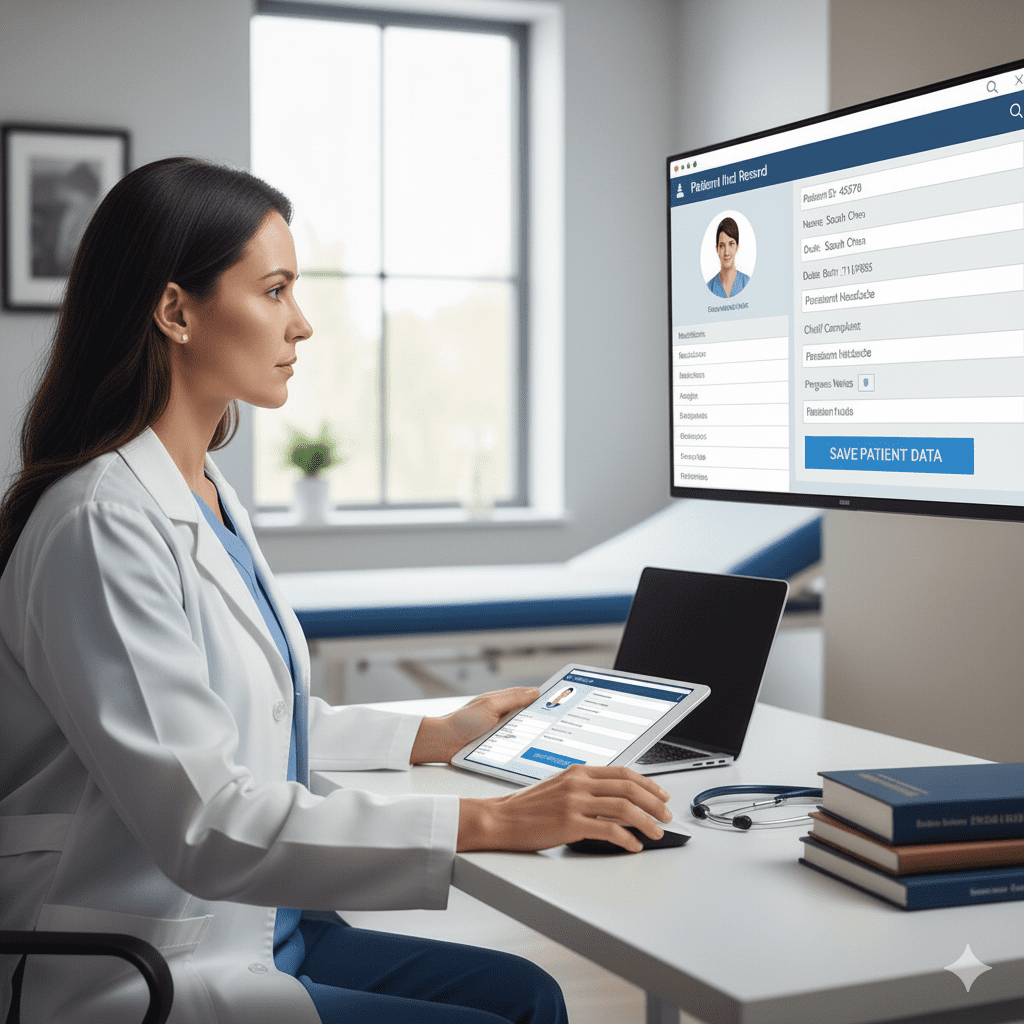
- When a patient visits the doctor, their data is entered into an EMR system.
- Doctors can instantly view past test results and previous treatments.
- If a new prescription is added, the EMR automatically updates the record.
- Nurses, pharmacists, and specialists can all access the same up-to-date information.
As a result, communication becomes easier, and treatment becomes safer.
Moreover, this seamless sharing of information reduces errors, saves time, and improves patient outcomes.
📊 According to the Office of the National Coordinator for Health IT (ONC), over 90% of U.S. hospitals now use EMRs to manage patient data efficiently.
💡 Why EMRs Are Important in Healthcare
1. Improves Patient Safety
EMRs reduce human errors such as lost reports or unreadable handwriting. Additionally, they flag possible drug allergies or dangerous medication interactions before prescriptions are made.
2. Saves Time and Costs
Doctors do not have to search through piles of paper anymore. Instead, EMRs make charting, billing, and insurance claims much faster — improving both speed and efficiency.
3. Enhances Care Coordination
Multiple healthcare providers — from your family doctor to specialists — can share your data instantly. Therefore, this team-based access leads to better and more coordinated treatment plans.
4. Better for Research and Data Analysis
Hospitals use EMRs to study disease trends, improve care quality, and plan preventive healthcare programs using real-time data. In addition, this data supports public health research and better policy planning.
🔍 Difference Between EMR and EHR
| Feature | EMR (Electronic Medical Record) | EHR (Electronic Health Record) |
|---|---|---|
| Scope | Used within one organization | Shared across multiple facilities |
| Focus | Patient’s medical history at one clinic | Broader view of patient’s overall health |
| Sharing | Limited | Easily shared with authorized providers |
👉 Simply put: EMR is for one practice, while EHR connects all your care providers.
On the other hand, EHRs promote system-wide collaboration across hospitals and clinics.
👨⚕️ Benefits of EMR for Patients and Doctors
For Patients
- Faster appointments and fewer errors
- Accurate and up-to-date medical history
- Better communication with healthcare providers
For Doctors and Clinics
- Streamlined workflows
- Easy data storage and retrieval
- More accurate billing and insurance management
Consequently, both patients and doctors experience smoother, safer, and more efficient healthcare.
⚠️ Challenges of EMR Systems
Even with their benefits, EMRs face some challenges:
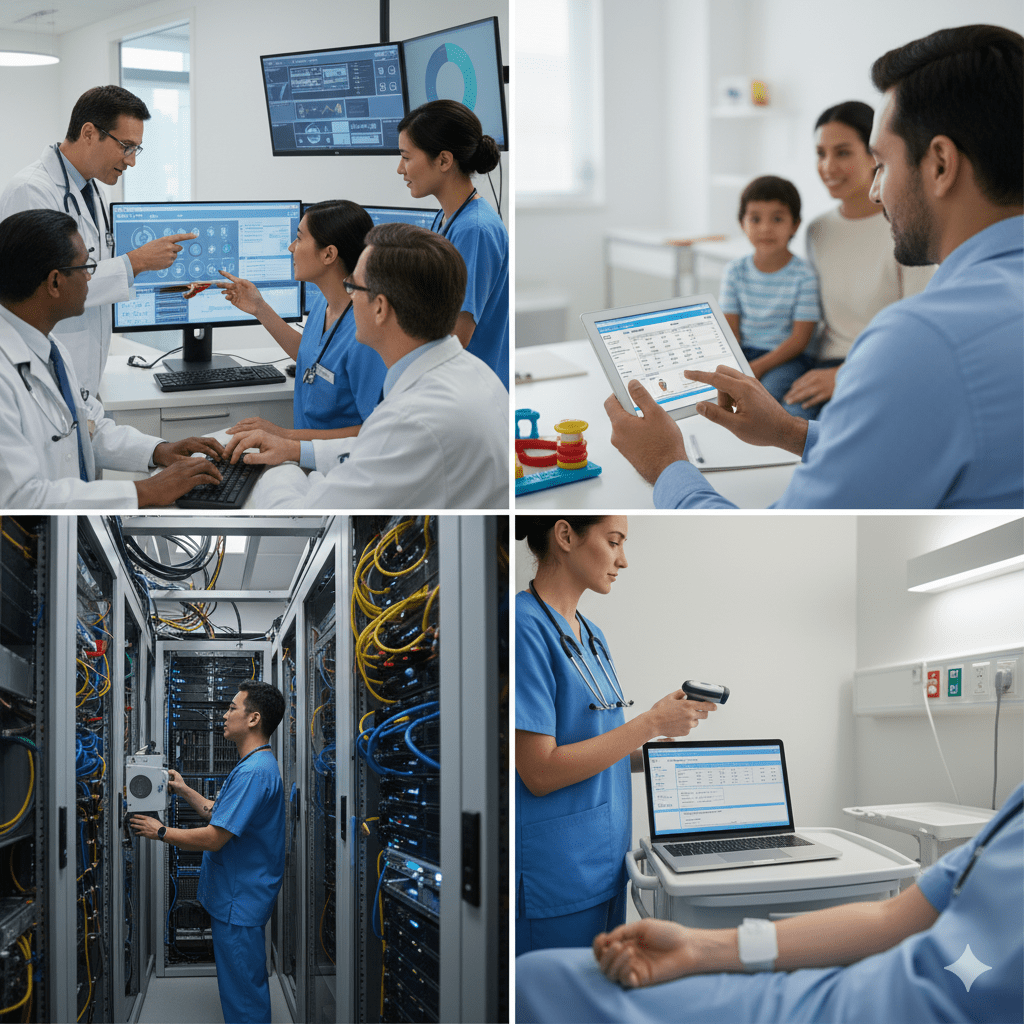
- 💰 Cost: Setting up and maintaining EMR systems can be expensive for smaller clinics.
- 🧑💻 Training: Staff need proper training to use the software effectively.
- 🔐 Privacy Concerns: Protecting patient data from cyber threats is a top priority — which is why EMR systems follow strict rules like HIPAA compliance and use strong encryption.
Nevertheless, the long-term benefits of EMRs far outweigh these challenges.
In fact, most healthcare organizations report significant improvements in quality and efficiency after adopting EMR technology.
🤖 The Future of EMRs in Healthcare
With AI and machine learning, EMRs are becoming smarter than ever.
They can now predict diseases, alert doctors about risks, and even suggest personalized treatments based on patient data.
Furthermore, these intelligent systems help reduce hospital readmissions and improve overall patient satisfaction.
As technology evolves, EMRs will remain at the heart of patient-centered care — helping doctors make decisions faster and patients live healthier lives.
🩸 Conclusion
So, what is EMR in healthcare?
It is not just a digital file — it is the foundation of modern medicine.
By making patient information accessible, accurate, and secure, EMRs empower doctors to deliver better care and help patients take charge of their health.
Ultimately, the future of healthcare is digital — and EMRs are leading the way.
❓ FAQs: What Is EMR in Healthcare
Q1. What is the main purpose of EMR in healthcare?
A. The main purpose of EMR is to store and manage patient medical information digitally for faster, safer, and more efficient healthcare.
Q2. What is EMR in medical terms?
A. In medical terms, EMR stands for Electronic Medical Record, a digital version of a patient’s paper chart used within one healthcare facility.
Q3. How is EMR different from EHR?
A. EMR is limited to one clinic or hospital, while EHR can be shared across multiple healthcare systems.
Q4. Is EMR safe and secure?
A. Yes. EMRs use encryption, password protection, and data privacy laws like HIPAA to keep patient information secure.
Q5. Is EMR easy to learn?
A. Yes, EMRs are designed to be user-friendly, and most healthcare staff can learn the basics quickly with short training sessions.
Q6. What is EMR in simple words?
A. EMR is like a digital notebook for doctors, keeping all your health information safe, organized, and easy to access anytime.
Q7. Who uses EMR systems?
A. Doctors, nurses, hospital administrators, and even patients use EMRs to manage health data and treatment history.
Q8. What are examples of EMR software?
A. Popular EMR systems include Epic, Cerner, Athenahealth, and Allscripts, widely used in hospitals worldwide.