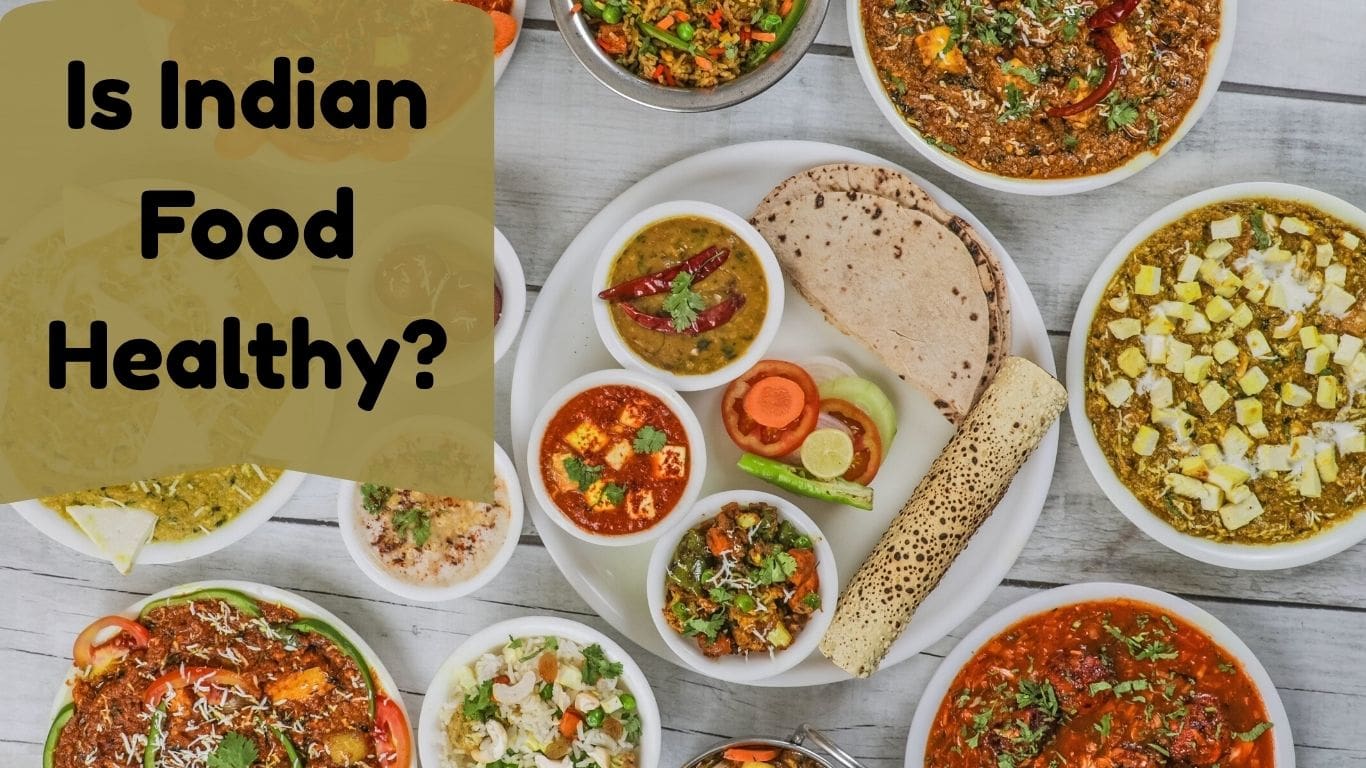
Is Indian Food Healthy? You might think those rich curries and spicy dishes are indulgent — but what if they’re actually good for you?
Surprisingly, traditional Indian food isn’t just flavorful; it’s packed with nutrients, healing spices, and balanced ingredients that support heart health, digestion, and overall wellness.
From turmeric’s healing power to lentils packed with protein, Indian food is more than comfort — it’s ancient science served on a plate.
🌿 The Indian Diet: A Perfect Blend of Taste and Nutrition
Contents
- 1 🌿 The Indian Diet: A Perfect Blend of Taste and Nutrition
- 2 🧄 Health Benefits of Indian Spices and Herbs
- 3 🍛 Is Indian Food Healthy for Weight Loss and Fitness?
- 4 ALSO READ
- 5 Is Walking or Running Better for Weight Loss?
- 6 ❤️ Indian Cuisine and Heart Health Benefits
- 7 🥗 Balanced Indian Meals: A Healthy Eating Guide
- 8 🧘♀️ Ayurveda and the Indian Way of Eating
- 9 🌟 Conclusion: Is Indian Food Healthy? Absolutely!
- 10 ❓FAQs About “Is Indian Food Healthy?”
Indian cooking follows the ancient Ayurvedic principle of “food as medicine.” Each meal aims to balance six essential tastes — sweet, sour, salty, bitter, pungent, and astringent — to promote harmony in the body.
Healthy elements in traditional Indian meals include:
- Whole grains like rice, millet, and wheat for energy.
- Legumes and lentils (dal) for protein and fiber.
- Vegetables and greens for essential nutrients.
- Spices such as turmeric, cumin, and ginger — natural anti-inflammatories.
- Healthy fats like ghee and mustard oil in moderation.
These combinations make the Indian diet a natural model of balanced nutrition.
🧄 Health Benefits of Indian Spices and Herbs
Indian food is famous for its spices — and for good reason!
Many spices used daily in Indian kitchens have scientifically proven health benefits.
- Turmeric (Haldi): Contains curcumin, a compound that reduces inflammation and boosts immunity.
- Cumin (Jeera): Improves digestion and blood sugar levels.
- Ginger: Eases nausea and supports metabolism.
- Garlic: Supports heart health and lowers cholesterol.
When cooked together, these spices turn ordinary meals into natural healing remedies that improve digestion and strengthen immunity.
🍛 Is Indian Food Healthy for Weight Loss and Fitness?
Yes — when prepared traditionally, Indian food can support healthy weight management.
Here’s how:
- High fiber content: Lentils, beans, and whole grains keep you full longer.
- Less processed ingredients: Traditional recipes use fresh, local produce.
- Portion control: The thali concept ensures balanced portions and mindful eating.
Avoid heavy creams, fried snacks, and excess white rice to make your Indian meals lighter and more fitness-friendly.
ALSO READ
Is Walking or Running Better for Weight Loss?
❤️ Indian Cuisine and Heart Health Benefits
Traditional Indian diets are rich in ingredients that promote heart wellness:
- Omega-rich seeds (flax, sesame)
- Plant-based proteins (lentils, chickpeas, tofu)
- Antioxidant spices (turmeric, black pepper)
According to studies, those following balanced Indian diets show lower rates of heart disease compared to people who rely on processed foods.
Just remember: moderation and balance are the real secrets of a heart-healthy Indian diet.
🥗 Balanced Indian Meals: A Healthy Eating Guide
You don’t need to give up your favorite curries — just make smart swaps!
Healthy cooking tips for Indian dishes:
- Use less oil; try mustard or olive oil.
- Cook with fresh vegetables and herbs instead of packaged mixes.
- Choose grilled or steamed options instead of deep-fried snacks.
- Replace white rice with brown rice or quinoa.
- Limit added sugar and salt in desserts and pickles.
These small changes can make your meals both delicious and nourishing.
🧘♀️ Ayurveda and the Indian Way of Eating
Ayurveda, India’s ancient healing science, teaches that food should match your dosha (body type).
- Vata: Warm, grounding foods like soups and stews.
- Pitta: Cooling foods like cucumber raita and coconut water.
- Kapha: Spicy, light meals that support metabolism.
This personalized nutrition system makes Indian food deeply connected to holistic health and balance.
🌟 Conclusion: Is Indian Food Healthy? Absolutely!
So, is Indian food healthy? Yes — when you stick to its traditional roots.
It is rich in nutrition, antioxidants, and balanced flavors that promote overall wellness.
Whether it is dal, sabzi, or chapati — Indian food is a celebration of nourishment and tradition.
✨ Eat mindfully, enjoy the spices, and let your plate become your medicine.
❓FAQs About “Is Indian Food Healthy?”
Q1. Is Indian food healthy for everyday eating?
A. Yes! When cooked with fresh ingredients and moderate oil, Indian food is ideal for daily meals.
Q2. Is Indian food good for weight loss?
A. Absolutely. Fiber-rich dal, vegetables, and whole grains keep you full longer and aid in weight control.
Q3. What are the healthiest Indian dishes to eat?
A. Dishes like dal, vegetable curry, chapati, and idli are nutrient-rich and easy to digest.
Q4. Are Indian spices healthy for the body?
A. Yes — turmeric, cumin, and ginger have anti-inflammatory and immune-boosting effects.
Q5. Is Indian food good for digestion?
A. Definitely. Spices like cumin and ginger aid digestion and improve gut health naturally.



One comment on “Is Indian Food Healthy? The Surprising Truth You’ll Love”
Comments are closed.