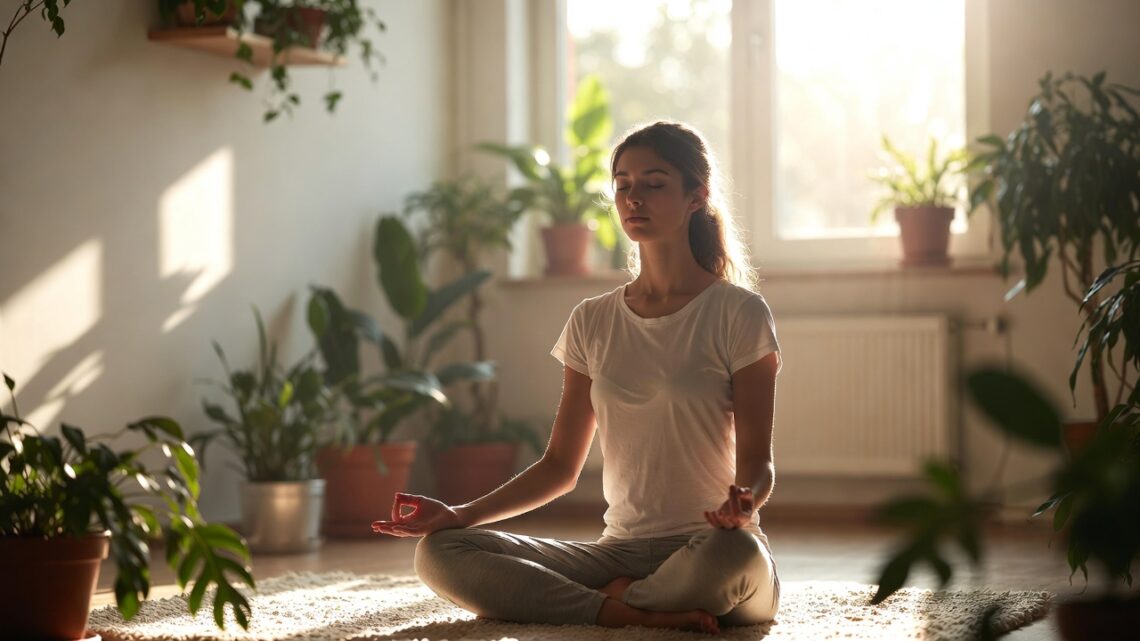
How to Reduce Stress and Anxiety Naturally: Start by Understanding Your Nervous System
Contents
- 0.1 Understanding Stress and Anxiety
- 0.2 Also Read
- 0.3 Why Natural Stress Relief Techniques Are Effective
- 0.4 How to Calm Anxiety Naturally Using Deep Breathing
- 0.5 How to Manage Stress Naturally Through Physical Activity
- 0.6 Natural Methods to Reduce Stress by Improving Sleep
- 0.7 Natural Remedies for Stress and Anxiety Through Mindfulness
- 0.8 Nutrition-Based Natural Ways to Relieve Stress
- 0.9 How to Reduce Anxiety Naturally by Improving Daily Habits
- 0.10 How Your Nervous System Regulates Stress and Recovery
- 0.11 Clinical Insight from Physiotherapy Practice
- 0.12 When Professional Support Is Necessary
- 0.13 Conclusion: Your Body Can Restore Emotional Balance Naturally
- 0.14 FAQs
- 0.15 About the Author
- 1 Medical Disclaimer
How to Reduce Stress and Anxiety Naturally is one of the most important skills for protecting your mental and physical health. When your heart races and your mind refuses to slow down, stress can make you feel exhausted, tense, and overwhelmed. However, your nervous system has a natural ability to calm down and recover.
According to the World Health Organization, anxiety disorders affect millions of people worldwide. Furthermore, chronic stress increases cortisol levels, disrupts sleep, and affects brain function. Fortunately, research shows that natural techniques like breathing exercises, physical activity, proper sleep, and mindfulness can significantly reduce anxiety and restore emotional balance.
Therefore, understanding how your nervous system responds to stress is the first step toward natural recovery.
Understanding Stress and Anxiety
Stress is your body’s automatic response to challenges, pressure, or perceived threats. Specifically, it activates your nervous system and releases hormones like cortisol and adrenaline, preparing your body for action.
On the other hand, anxiety is a continuous feeling of worry, fear, or uneasiness, even when no real danger exists.
Short-term stress can improve alertness and performance. However, chronic stress negatively affects overall health.
Common signs include:
- Head pain
- Muscle tightness
- Sleep disturbances
- Constant tiredness
- Rapid heartbeat
- Poor focus
In physiotherapy settings, many individuals with long-term pain also experience increased stress levels. As a result, their muscles stay contracted, and their nervous system remains in a constant state of alert. Managing emotional stress improves both mental wellness and physical healing.
Also Read
Can Stress and Anxiety Cause Shortness of Breath? Simple Fixes
Why Natural Stress Relief Techniques Are Effective
Natural stress relief techniques help stabilize your nervous system. In particular, they activate the parasympathetic nervous system, also known as the body’s recovery and relaxation system.
As a result, your body can:
- Decrease cortisol levels
- Reduce heart rate
- Release muscle tension
- Improve emotional regulation
- Restore psychological balance
Unlike medications, these natural strategies strengthen nervous system resilience over time without harmful side effects.
How to Calm Anxiety Naturally Using Deep Breathing
Slow breathing is one of the fastest and most effective ways to calm emotional stress. This is because controlled breathing signals safety to your brain. In addition, it activates the vagus nerve, which lowers stress hormones and promotes relaxation.
Simple breathing method:
- Sit in a comfortable position
- Breathe in slowly for 4 seconds
- Pause for 4 seconds
- Breathe out slowly for 6 seconds
- Continue for 5 minutes
Many individuals report feeling calmer within minutes of practicing controlled breathing.
Research published in Frontiers in Psychology confirms that slow breathing improves emotional control and reduces anxiety symptoms.
How to Manage Stress Naturally Through Physical Activity
Physical activity is a powerful natural stress management tool. This is because exercise releases endorphins, which improve mood and reduce emotional tension.
Beneficial activities include:
- Walking for 20–30 minutes
- Yoga or stretching
- Cycling
- Light running
A meta-analysis published in the Journal of Psychiatric Research found that regular exercise significantly lowers anxiety symptoms.
In clinical environments, individuals who begin daily walking often experience better sleep, reduced muscle tightness, and improved emotional well-being within weeks.
Even gentle movement provides benefits.
Natural Methods to Reduce Stress by Improving Sleep
Sleep is essential for nervous system restoration. Poor sleep increases cortisol levels and worsens emotional stress. In contrast, good sleep allows the brain and body to recover effectively.
Helpful sleep improvement tips:
- Maintain a consistent sleep schedule
- Avoid screens before bedtime
- Keep your room dark and cool
- Limit caffeine intake at night
According to Harvard Medical School, sleep plays a vital role in emotional balance and stress recovery.
Many individuals notice reduced anxiety after improving sleep habits within 1–2 weeks.
Natural Remedies for Stress and Anxiety Through Mindfulness
Mindfulness helps calm mental activity by focusing attention on the present moment. As a result, it reduces overthinking and nervous system overstimulation.
Simple mindfulness techniques include:
- Daily meditation for 5–10 minutes
- Focusing on slow breathing
- Observing thoughts without judgment
The American Psychological Association reports that mindfulness improves emotional regulation and reduces anxiety.
Clinical observations show that regular mindfulness practice decreases muscle tension and improves emotional control.
Nutrition-Based Natural Ways to Relieve Stress
Your brain depends on proper nutrition for healthy functioning. Poor dietary habits increase fatigue and emotional stress.
Healthy foods include:
- Nuts and seeds
- Fresh fruits and vegetables
- Whole grains
- Yogurt
- Green tea
These foods support neurotransmitters responsible for mood stability.
Avoid:
- High sugar intake
- Processed foods
- Excess caffeine
Balanced nutrition supports emotional stability and nervous system health.
How to Reduce Anxiety Naturally by Improving Daily Habits
Overthinking keeps your nervous system in a constant stress state. However, positive daily habits help your brain relax.
Helpful practices include:
- Spending time outdoors
- Talking with supportive individuals
- Listening to relaxing music
- Limiting social media exposure
- Practicing gratitude
Strong social support improves emotional resilience and reduces stress levels.
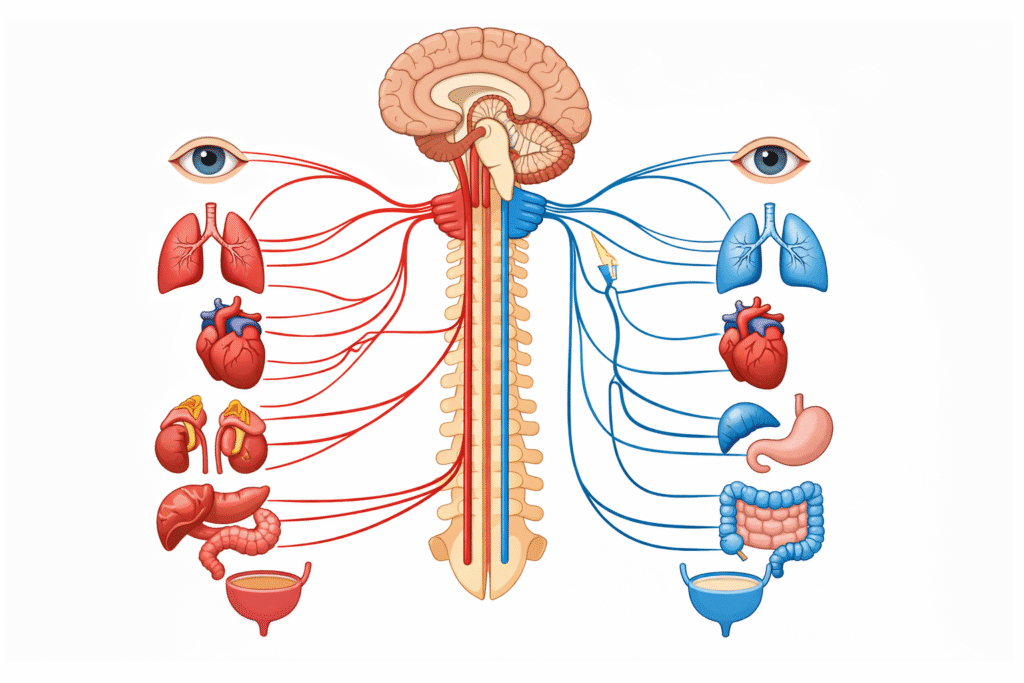
How Your Nervous System Regulates Stress and Recovery
Your nervous system operates in two main states:
Stress Response Mode (Fight-or-Flight)
This increases heart rate, tension, and anxiety.
Recovery Mode (Rest-and-Restore)
This promotes relaxation, healing, and emotional stability.
Chronic stress keeps your body in stress mode. However, natural techniques like breathing, exercise, and mindfulness activate recovery mode.
As a result, your body regains balance naturally.
Clinical Insight from Physiotherapy Practice
Healthcare professionals frequently experience emotional pressure due to demanding workloads. Similarly, physiotherapy professionals manage both physical and emotional patient needs.
Those who practice breathing exercises, walking, and proper sleep often experience:
- Reduced mental exhaustion
- Improved concentration
- Decreased muscle tension
- Better emotional stability
This demonstrates the real-world effectiveness of natural stress management methods.
When Professional Support Is Necessary
Natural stress management methods are highly effective. However, professional care may be necessary in severe cases.
Consult a healthcare provider if you experience:
- Severe anxiety
- Panic episodes
- Long-term insomnia
- Difficulty managing daily activities
Early intervention improves recovery outcomes.
Conclusion: Your Body Can Restore Emotional Balance Naturally
Stress and anxiety are common experiences. However, they can be managed effectively using natural approaches.
Start with simple actions:
- Practice slow breathing
- Stay physically active
- Improve sleep quality
- Practice mindfulness
- Maintain healthy daily routines
Over time, consistent habits create lasting improvements.
Your nervous system is designed to heal and restore balance naturally.
Start supporting it today.
FAQs
What is the quickest natural method to calm anxiety?
Slow breathing is the fastest technique. It activates the body’s relaxation response within minutes.
Can physical activity reduce anxiety ?
Yes. Exercise improves mood and lowers stress hormone levels.
How long does natural stress relief take?
Many individuals notice improvement within 2–4 weeks of consistent practice.
Is chronic stress harmful to health?
Yes. Long-term stress affects brain function, muscles, heart health, and sleep quality.
About the Author
Uroosa Shahid (DPT), is a physiotherapy professional with clinical experience in musculoskeletal rehabilitation and nervous system-related conditions. She has worked with individuals experiencing chronic pain, muscle tension, and stress-related physical symptoms. Her approach focuses on evidence-based, natural methods to improve both physical and mental wellness.
Medical Disclaimer
This article is for educational purposes only and does not replace professional medical advice, diagnosis, or treatment. Always consult a qualified healthcare professional for medical concerns.
