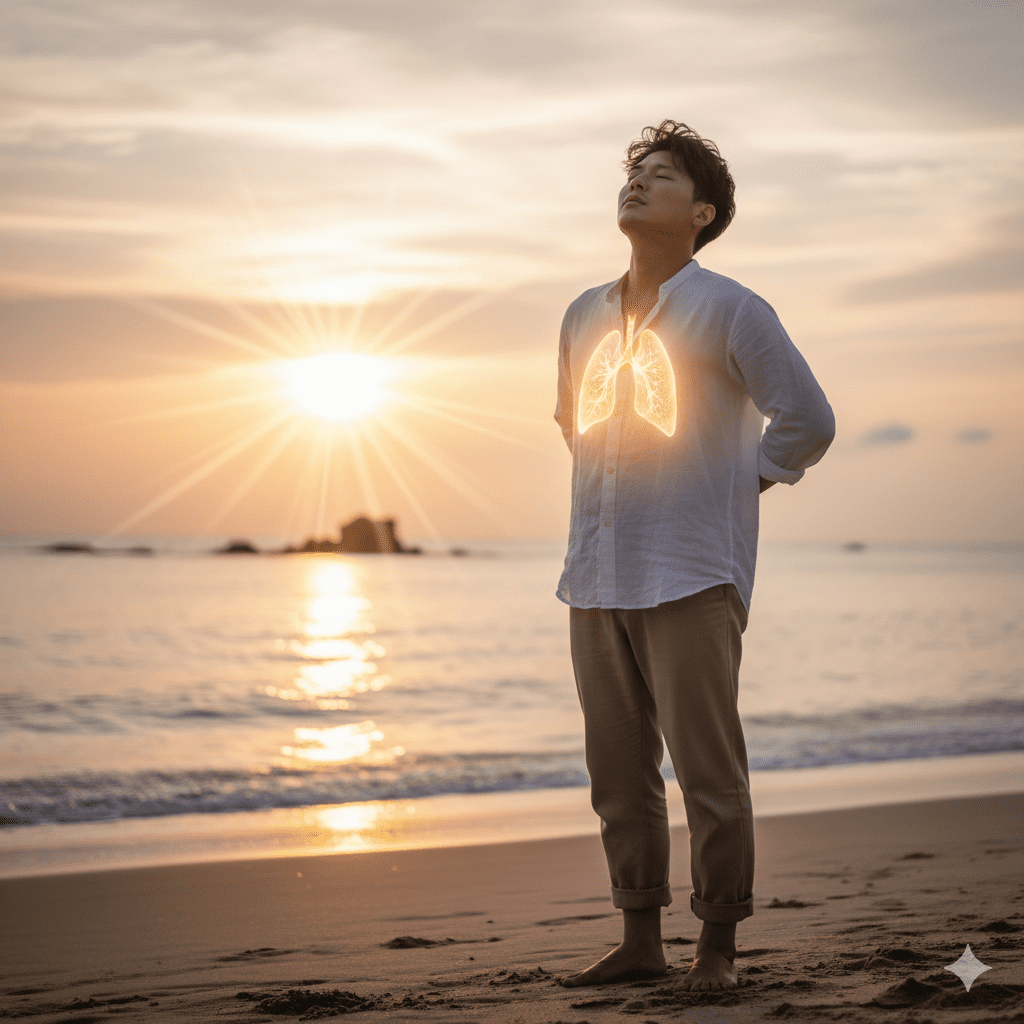
Can stress and anxiety cause shortness of breath? Yes — it absolutely can, and understanding why helps you breathe easier and regain control.
Have you ever felt like you just can’t take a deep breath, even when you’re sitting still? You’re definitely not alone. When anxiety strikes, your body reacts as if it’s in danger. As a result, your heart races, your breathing speeds up, and your muscles tighten. These physical responses are natural; however, when they happen too often, they can leave you feeling breathless and overwhelmed.
🩺 Medical Disclaimer: This article is for educational purposes only and not a substitute for professional medical advice. Always consult your doctor for personal health concerns.
Understanding the Mind-Body Connection
Contents
- 1 Understanding the Mind-Body Connection
- 2 How Can Stress and Anxiety Cause Shortness of Breath in Daily Life
- 3 Can Stress and Anxiety Cause Shortness of Breath That Impacts Daily Life?
- 4 Recognizing When Stress and Anxiety Cause Shortness of Breath
- 5 ALSO READ
- 6 Can Stress and Anxiety Cause Shortness of Breath That Feels Dangerous?
- 7 Why Stress and Breathing Issues Feel So Scary
- 8 Effective Breathing Exercises for Anxiety and Stress Relief
- 9 Natural Ways to Manage Anxiety and Breathing Problems
- 10 Real-Life Example: Overcoming Anxiety Breathing Issues
- 11 Panic Attack Breathing Tips You Can Use Anytime
- 12 How Long Does Anxiety-Related Shortness of Breath Last?
- 13 When to Seek Medical Advice for Stress and Breathing Issues
- 14 Conclusion: Regain Control Over Your Breath and Mind
- 15 FAQs: Can Stress and Anxiety Cause Shortness of Breath
Your brain and lungs are deeply linked, and they constantly communicate. When your brain senses fear or pressure, it signals your lungs to prepare for action. While this makes sense during emergencies, during emotional stress, it only creates discomfort and confusion.
Example:
Imagine being stuck in traffic and running late for work. As your mind spirals with worry, your chest tightens, and breathing feels hard. In other words, that’s stress directly affecting your lungs, even when nothing dangerous is happening.
How Can Stress and Anxiety Cause Shortness of Breath in Daily Life
When you’re under stress, your body’s “fight or flight” system immediately activates. This reaction releases hormones like adrenaline and cortisol, which cause your breathing to become shallow and rapid. Over time, this pattern can train your body to breathe inefficiently — even when there’s no real threat present.
According to the Anxiety & Depression Association of America (ADAA), anxiety can trigger several physical symptoms such as rapid breathing, chest tightness, and dizziness. Therefore, many people mistakenly think they have a heart or lung problem when, in fact, stress is the real culprit.
What’s happening inside your body:
- Your chest muscles tighten.
- Breathing becomes fast but shallow.
- You start feeling lightheaded or dizzy.
- Panic rises, and you breathe even faster.
In short: yes, stress and anxiety can cause shortness of breath because your brain confuses emotional stress with physical danger.
Can Stress and Anxiety Cause Shortness of Breath That Impacts Daily Life?
Yes — chronic stress can make you feel breathless even during normal tasks. That’s because your body may remain “on alert,” creating shallow breathing habits.
To reset, build consistent relaxation routines — such as deep breathing before bed or brief meditation breaks during the day. As a result, your body slowly relearns how to breathe deeply and efficiently.
Recognizing When Stress and Anxiety Cause Shortness of Breath
Knowing how anxiety feels allows you to stay calm and respond effectively. Moreover, recognizing these sensations early can prevent panic. Here are some common signs that stress may be impacting your breathing:
- Chest tightness or pressure
- Difficulty taking a full breath
- Faster heart rate
- Lightheadedness or dizziness
- Tingling sensations
👉 Tip: These symptoms are usually temporary and fade once your body calms down.
ALSO READ
Is Anxiety a Disability? Legal, Medical, and Practical Insights
Can Stress and Anxiety Cause Shortness of Breath That Feels Dangerous?
Yes — it can feel alarming; nevertheless, it’s rarely life-threatening. When you breathe too fast (hyperventilate), you expel too much carbon dioxide. Consequently, this imbalance leads to dizziness, tingling, and the frightening sensation that you can’t get enough air.
However, if your shortness of breath comes with chest pain, fainting, or blue lips, it’s essential to seek medical help right away. These may signal a heart or lung condition, rather than anxiety alone.
Why Stress and Breathing Issues Feel So Scary
Breathlessness can make you panic, even more than the stress that caused it. When you can’t catch your breath, your brain thinks you’re in danger — creating a feedback loop:
- You feel anxious.
- Your breathing speeds up.
- You feel short of breath.
- You panic more.
- Breathing gets worse.
Breaking this loop starts by understanding that stress and anxiety cause shortness of breath as part of the body’s automatic stress response — not because you’re sick.
Effective Breathing Exercises for Anxiety and Stress Relief
Breathing control is the fastest way to calm anxiety and regain balance. Try these simple breathing exercises for anxiety to relax your body and mind.
🧘♀️ 1. The 4-7-8 Breathing Method
- Inhale gently through your nose for 4 seconds.
- Hold your breath for 7 seconds.
- Exhale slowly through your mouth for 8 seconds.
This method helps reduce panic and stabilize oxygen flow.
🌬️ 2. Diaphragmatic Breathing
Place one hand on your stomach and one on your chest.
Breathe in deeply through your nose so your stomach rises more than your chest.
Exhale slowly through pursed lips. This activates relaxation and slows your heart rate.
🧠 3. Mindful Breathing
Focus on your breath entering and leaving your body.
Notice each inhale and exhale.
This mindfulness breaks the pattern of overthinking and helps you stay grounded.

Natural Ways to Manage Anxiety and Breathing Problems
If you’re tired of feeling breathless, try these natural ways to manage anxiety. They not only calm your mind but also improve lung health.
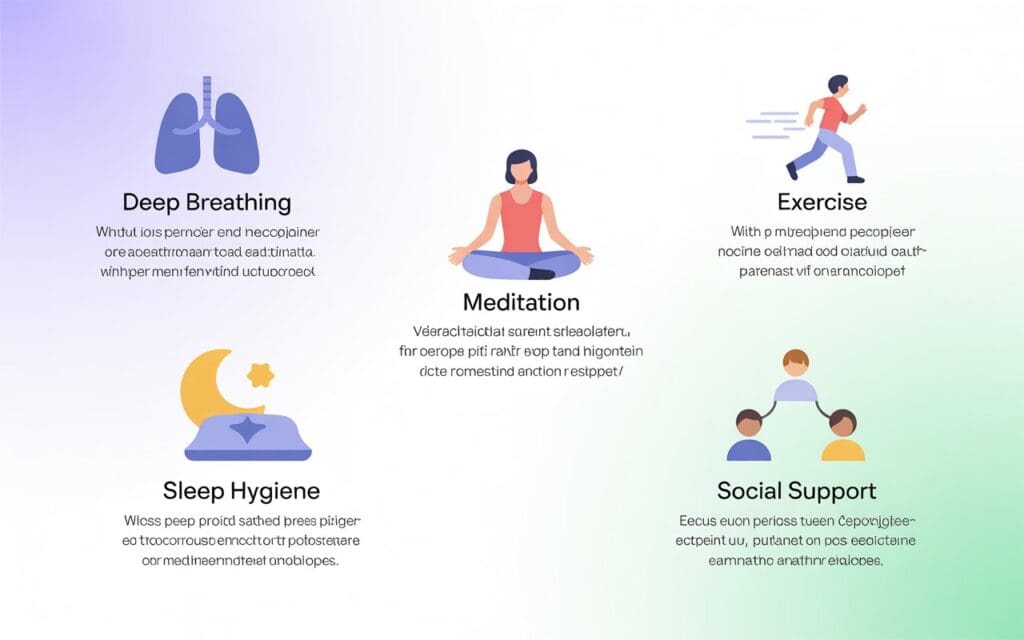
- Exercise for at least 20 minutes a day.
- Maintain a balanced diet rich in magnesium and omega-3s.
- Limit caffeine and nicotine.
- Get enough rest and hydration.
- Practice meditation or yoga regularly.
Even simple lifestyle changes can greatly reduce anxiety-related breathing problems.
Real-Life Example: Overcoming Anxiety Breathing Issues
Consider Sarah, a 30-year-old teacher who often panicked before presentations. She’d feel her chest tighten, unable to take deep breaths. After medical tests ruled out asthma, her doctor explained that stress and anxiety can cause shortness of breath through hyperventilation.
By practicing slow breathing, journaling, and mindfulness, Sarah regained her confidence — and her breath.
Panic Attack Breathing Tips You Can Use Anytime
During panic episodes, you can use these quick panic attack breathing tips:
- Sit down and relax your shoulders.
- Inhale deeply through your nose for 4 seconds.
- Exhale through pursed lips for 6 seconds.
- Repeat until you feel calmer.
These steps restore your breathing rhythm and reduce the feeling of suffocation.
How Long Does Anxiety-Related Shortness of Breath Last?
It usually lasts from a few minutes to an hour, depending on how long the anxiety lasts. Once you calm your nervous system, your breathing returns to normal.
Regular relaxation practice can shorten these episodes or stop them altogether.
When to Seek Medical Advice for Stress and Breathing Issues
While anxiety is common, persistent or unexplained shortness of breath should always be evaluated by a healthcare professional.
Doctors can rule out conditions like asthma, COPD, or heart disease before focusing on anxiety management. Ultimately, getting clarity provides peace of mind and safer treatment.
Conclusion: Regain Control Over Your Breath and Mind
So, can stress and anxiety cause shortness of breath?
Yes — but you can manage it effectively. Once you understand that it’s a natural body reaction to stress, not a sign of illness, you can use breathing techniques, mindfulness, and healthy habits to take control again.
🌿 Your breath is your anchor — calm it, and your mind will follow.

FAQs: Can Stress and Anxiety Cause Shortness of Breath
Q1. Can stress and anxiety really cause shortness of breath?
A. Yes. When you’re anxious, your body reacts with shallow, rapid breathing, which makes you feel breathless even when oxygen levels are normal.
Q2. What are the best breathing exercises for anxiety relief?
A. The 4-7-8 method, diaphragmatic breathing, and mindful breathing are great ways to calm anxiety and slow your breath.
Q3. Is anxiety shortness of breath dangerous?
A. It’s usually harmless, but it feels uncomfortable. Always consult your doctor to rule out physical causes.
Q4. Can stress and anxiety cause shortness of breath at night?
A. Yes. Nighttime anxiety can lead to shallow breathing. Relaxation exercises before bed can help prevent it.
Q5. How can I manage anxiety naturally?
A. Exercise regularly, sleep well, eat healthy, and practice mindfulness to keep anxiety — and shortness of breath — under control.