Introduction
Contents
- 1 Introduction
- 2 What Is Robotic Surgery?
- 3 Robotic Surgery in the United States
- 4 Robotic Surgery in the United Kingdom
- 5 Robotic Surgery in Pakistan
- 6 Comparing Robotic Surgery Across Healthcare Systems
- 7 Clinical Considerations Beyond the Operating Room
- 8 ALSO READ
- 9 Conclusion
- 10 About the Author
- 11 Medical Disclaimer
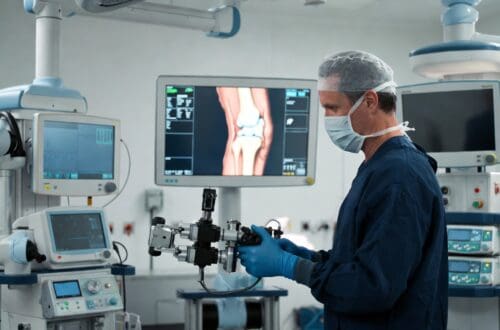
Robotic surgery has become one of the most discussed advancements in modern surgical care. Often marketed as a breakthrough in precision and recovery, robotic systems are now used across multiple specialties worldwide. However, their availability, regulation, cost-effectiveness, and clinical value vary significantly by healthcare system.
Moreover, from a rehabilitation and patient-care perspective, robotic surgery is not inherently “better” than conventional surgery. In fact, its success depends heavily on appropriate patient selection, surgeon expertise, institutional volume, and post-operative care.
Therefore, this article provides an evidence-informed overview of how robotic surgery is currently implemented in the United States, United Kingdom, and Pakistan, with a particular focus on safety, access, and real-world clinical considerations.
What Is Robotic Surgery?

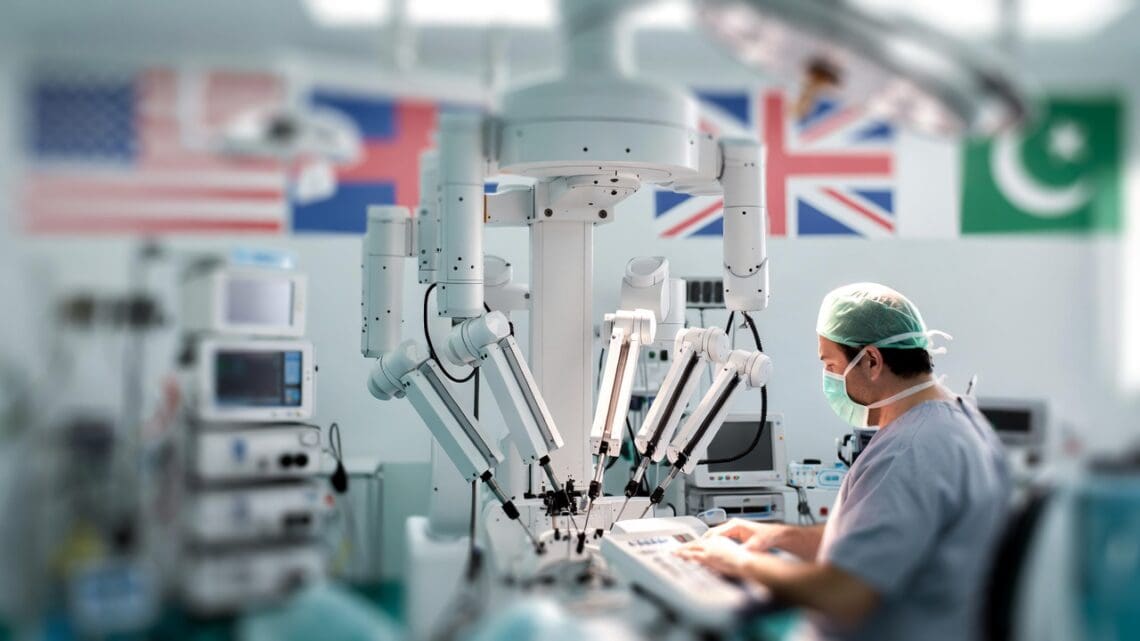
Robotic-assisted surgery is a form of minimally invasive surgery in which a surgeon controls robotic instruments through a computerized console. The system translates the surgeon’s hand movements into precise, scaled motions of robotic arms. For instance, it typically offers:
- High-definition, three-dimensional visualization
- Tremor filtration
- Enhanced dexterity in confined anatomical spaces
Moreover, robotic systems do not operate independently. Importantly, the surgeon remains fully responsible for every movement and clinical decision throughout the procedure. Thus, the robot functions solely as a surgical tool, not as an autonomous operator.
Robotic Surgery in the United States
Clinical Adoption and Regulation
In the United States, robotic-assisted surgery is well established and widely integrated into both academic and private healthcare systems. Most procedures are performed using FDA-cleared robotic platforms, most notably the da Vinci Surgical System, across specialties such as:
- Urology (particularly prostatectomy)
- Gynecology
- Colorectal and general surgery
- Select oncologic procedures
Robotic surgery is most commonly offered at high-volume centers where surgeons undergo structured training, proctoring, and ongoing competency assessment.
Safety, Outcomes, and Insurance Coverage
From a clinical standpoint, evidence suggests that robotic surgery can offer advantages such as reduced blood loss and shorter hospital stays for specific procedures, particularly in urology. However, outcomes are highly dependent on surgeon experience and institutional volume.
Moreover, in the U.S.:
- Procedures are performed by board-certified surgeons
- Robotic platforms are subject to FDA oversight
- Many robotic procedures are covered by private insurers and Medicare when deemed medically necessary
Furthermore, professional surgical societies consistently emphasize that robotic technology enhances surgical capability but does not replace surgical judgment or skill.
Robotic Surgery in the United Kingdom
NHS and Private Sector Integration
In the United Kingdom, robotic-assisted surgery is increasingly incorporated into both the National Health Service (NHS) and private healthcare systems. NHS trusts have expanded robotic programs primarily to improve efficiency and standardization in complex surgical cases, including:
- Urology
- Colorectal surgery
- Gynecology
- Cancer-related procedures
Clinical data from NHS settings indicate that, when appropriately used, robotic surgery may contribute to reduced length of stay and faster functional recovery. However, these benefits are procedure-specific and not universal.
Governance and Training Standards
Robotic surgery in the UK operates under robust national frameworks, including:
- Guidance informed by the National Institute for Health and Care Excellence (NICE)
- Mandatory robotic training pathways for surgeons
- Continuous audit of surgical outcomes and patient safety
Both NHS and private providers emphasize that robotic surgery should be used selectively, based on clinical indication rather than technology availability.
Robotic Surgery in Pakistan
Current Access and Clinical Use
In Pakistan, robotic-assisted surgery remains an emerging technology that primarily exists at select tertiary-care and private hospitals in major urban centers. Surgeons most commonly use it for:
- Oncology-related procedures
- Urology
- Gynecological surgery
Moreover, access remains limited, and availability varies significantly by institution and specialty. Many surgeons who perform robotic procedures have completed international fellowships or specialized training, often through active collaborations with overseas centers.
Therefore, while the technology shows promise, its implementation in Pakistan continues to depend heavily on institutional resources and trained expertise.
Cost, Equity, and Practical Challenges
Key considerations in the Pakistani context include:
- Higher procedural costs compared to conventional surgery
- Limited access for rural and lower-income populations
- Concentration of services in private or semi-private hospitals
From a patient-care perspective, outcomes depend far more on surgeon training, hospital infrastructure, and post-operative rehabilitation than on the presence of robotic technology itself.
Comparing Robotic Surgery Across Healthcare Systems
| Country | Availability | Cost Burden | Regulatory Oversight | Clinical Maturity |
|---|---|---|---|---|
| USA | High | High | FDA + professional boards | Advanced |
| UK | High | Moderate | NHS + NICE | Advanced |
| Pakistan | Limited | High | Institutional + national licensing | Developing |
These differences reflect broader healthcare system structures rather than differences in the technology itself.
Clinical Considerations Beyond the Operating Room
From a rehabilitation and recovery standpoint, robotic surgery does not eliminate the need for:
- Appropriate post-operative physiotherapy
- Pain management
- Gradual functional reconditioning
Moreover, patients often assume that robotic surgery guarantees faster or easier recovery. In reality, however, post-surgical outcomes are influenced by multiple factors, including surgical technique, tissue handling, patient health status, and adherence to rehabilitation protocols.
Therefore, technology alone does not determine the quality of recovery.
ALSO READ
What Is Robotic Knee Replacement Surgery? A Clear, Simple, Doctor-Reviewed Guide
Conclusion
Robotic-assisted surgery represents a valuable surgical tool when used appropriately within a well-regulated healthcare system. In particular, its benefits are most evident in specific procedures and high-volume centers with trained surgical teams.
Moreover, regardless of location, patients should base their surgical decisions on several key factors:
- Clinical indication
- Surgeon experience
- Hospital outcomes
- Access to post-operative care
Therefore, robotic surgery should support—not overshadow—evidence-based medical decision-making.
About the Author
Uroosa Shahid, DPT, is a licensed physical therapist specializing in musculoskeletal rehabilitation, post-surgical recovery, and patient-centered care. Moreover, she holds a Doctor of Physical Therapy (DPT) degree and brings hands-on clinical experience from orthopedic and rehabilitation settings.
Furthermore, she works as a digital health and medical content writer, where she creates evidence-based healthcare content. For instance, her writing aligns with international guidelines from organizations such as the FDA, NHS, NICE, and WHO. Therefore, her focus remains on patient education, surgical recovery, and the real-world impact of medical technologies on functional outcomes.
Medical Disclaimer
This disclaimer is intended for informational and educational purposes only and does not constitute medical advice.
Therefore, patients should always consult a qualified surgeon or licensed healthcare professional to make surgical decisions. Moreover, they must base these decisions on their individual medical needs and specific circumstances.